
Advanced Burn Reconstruction in Mumbai
Advanced Burn Reconstruction by Dr. Vinay Jacob in Mumbai
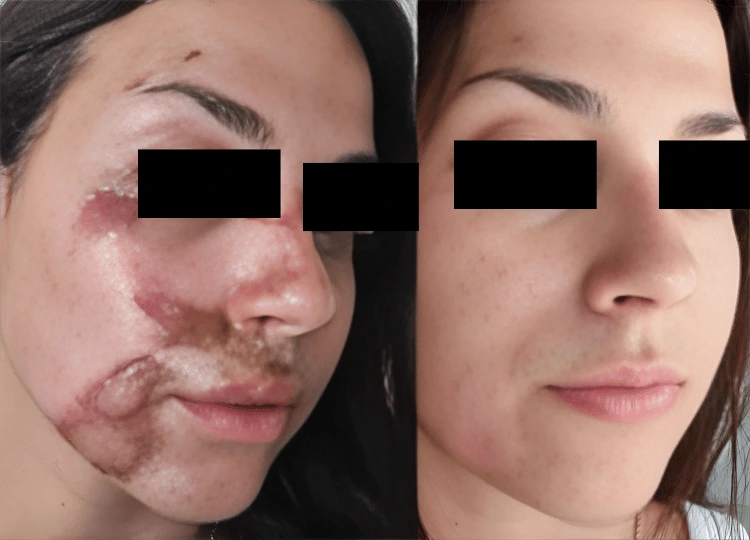
Burn injuries change the way your skin functions, heals, and looks. They also affect how you move, breathe, and live your daily life. Many people carry long-term scars, contractures, and pain that impact physical and emotional wellbeing. Burn reconstruction gives you a path toward recovery. It helps you regain movement, restore balance, and improve appearance with structured procedures.
This blog explains how advanced burn reconstruction works, why it matters, what results you can expect, and how Dr. Vinay Jacob guides patients through this journey in Mumbai.
Understanding Burn Reconstruction
Burn reconstruction focuses on improving the structure and function of areas damaged by heat, chemicals, radiation, or electricity.
The process takes time, planning, and careful evaluation of each layer of the skin and deeper tissues.
Reconstruction helps in many ways.
- Reduces tightness and contractures that limit movement
- Improves breathing and posture in neck and chest burns
- Restores eyelid, lip, and nose support
- Corrects contour deformities
- Treats chronic pain or nerve issues
- Enhances confidence after visible scarring
Each patient's condition is different. Your treatment may need a single procedure or multiple staged surgeries. The goal is to reach the best balance between function, motion, and appearance.
Types of Burn Injuries That Need Reconstruction
The severity of burns decides how the skin heals and how early you may need help from a reconstruction specialist.
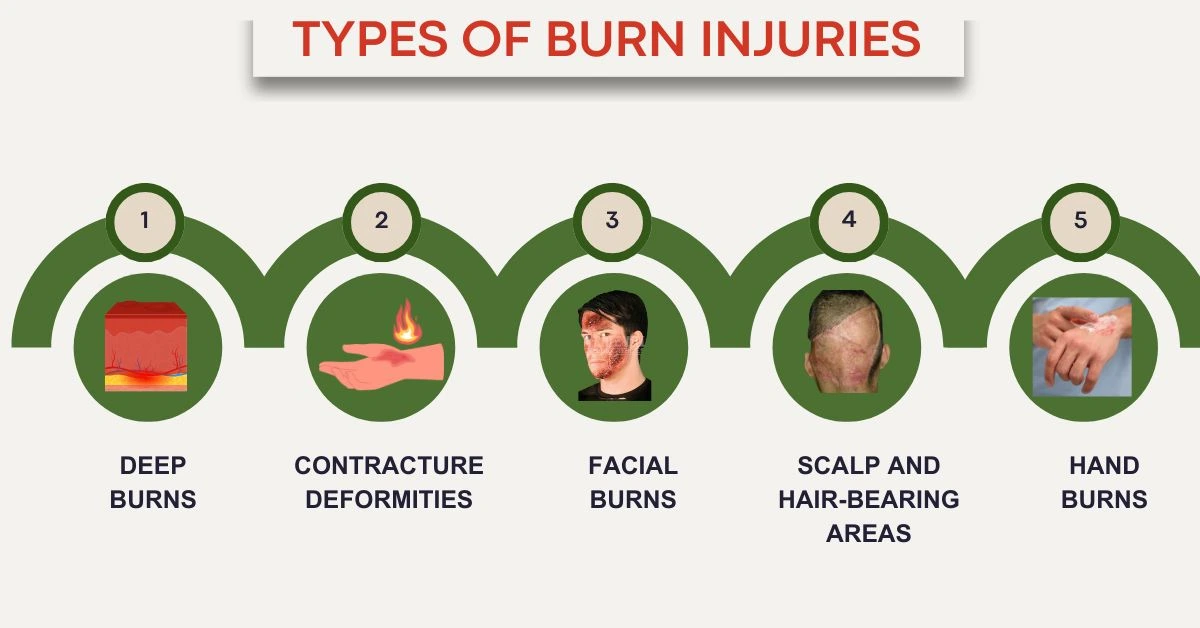
Deep burns
These affect the full thickness of the skin. They often heal with scarring, stiffness, and uneven texture.
Contracture deformities
When scars tighten during healing, they pull the skin inward. This limits movement of the neck, elbows, hands, or legs.
Facial burns
These may affect eyelids, lips, nose, or cheeks. Facial burns require detailed planning because even small changes impact expression and function.
Scalp and hair-bearing areas
Burns in these areas lead to patchy hair loss or irregular contour.
Hand burns
These can affect grip, joint motion, and fine movements.
Each area needs a different method and long-term planning.
Modern Techniques Used in Burn Reconstruction
Advanced burn reconstruction includes a wide range of procedures. Your surgeon selects the method based on depth, location, and the condition of the surrounding tissues.
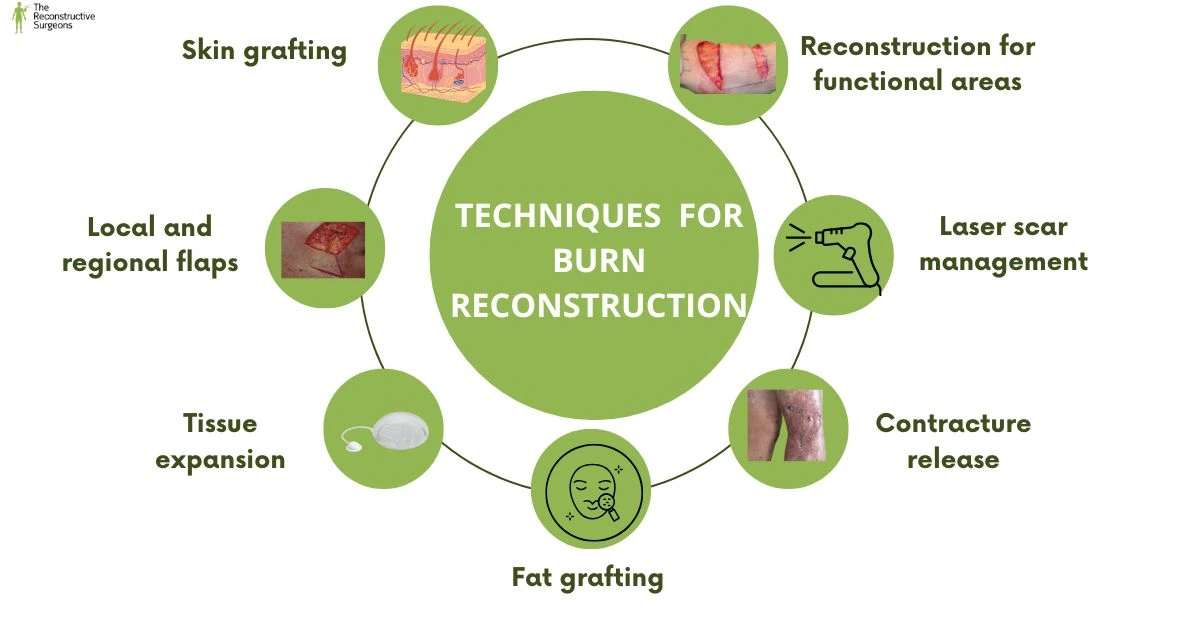
Skin grafting
Thin layers of skin taken from a donor site are placed over the affected area. This improves coverage and reduces wound tension.
Local and regional flaps
Tissue from nearby areas is rotated or moved to cover deeper defects. Flaps provide durable coverage and help areas heal with better flexibility.
Tissue expansion
A balloon-like device is inserted under the skin. As it expands over weeks, it stretches the natural skin so the surgeon can use it later to replace scarred tissue.
Fat grafting
Fat taken from another part of your body is injected into stiff or depressed scars. This improves softness, reduces pain, and restores a more natural contour.
Laser scar management
Laser treatments help soften scars, improve texture, and reduce thickness. They work well for early and established scars.
Contracture release
This procedure frees stiff scars that restrict movement. It often includes grafts or flaps to prevent the tightness from returning.
Reconstruction for functional areas
Special procedures repair eyelids, lips, and nose so you can blink, speak, breathe, and smile with ease.
What To Expect During Recovery
Recovery depends on the number of areas treated and the method used.
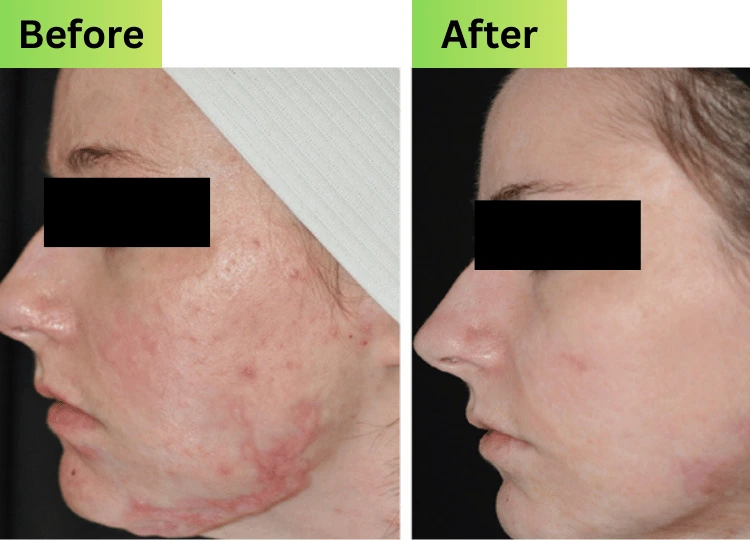
Your healing may include:
- Wound care at home
- Compression garments
- Physiotherapy to maintain movement
- Regular follow-up visits
- Scar care and massage
- Laser sessions when needed
The healing phase can take weeks to months. Long-term improvements continue for a year or more as scars gradually soften.
Emotional and Psychological Impact
Burn injuries affect more than physical appearance. They carry emotional memories and often create self-consciousness in daily life.
Patients may experience hesitation before meeting people or stepping outside.
Reconstruction does more than fix scars. It helps you regain confidence, interact openly, and return to routines with less stress.
Many patients say their quality of life changes once tightness reduces and they feel more comfortable in their own skin.
Meet Dr. Vinay Jacob
Dr. Vinay Jacob is a Senior Plastic and Reconstructive Surgeon with over 25 years of experience in advanced procedures across India.
He completed his MBBS from St. John's Medical College, Bangalore in 1991, followed by MS from Tata Memorial Hospital, Mumbai in 1996.
He later completed his MCh and DNB in Plastic Surgery in 2001 with distinction.
His areas of work cover a wide range of reconstructive and aesthetic needs.
- Gender-affirming surgeries
- Hand rejuvenation
- Nasal and respiratory procedures
- Limb salvage and prosthetics integration
- Body contouring and fat reduction
- Intimate and pelvic procedures
- Abdominal and hernia repair
- Neurological and pain relief surgeries
- Breast reconstructive surgery
You can visit him at:
Reconstructive Surgery Centre
503, Sagar Fortune Building
Above A Kreations, Waterfield Road
Bandra West, Mumbai 400050
To book an appointment, call or visit the clinic directly.
FAQs
1. What is the right time to consider burn reconstruction?
You can start discussions soon after the wound heals. Some procedures are done early, while others need months of recovery before planning. Your surgeon will guide you based on scar maturity, movement, and your overall health.
2. Will the results look natural?
The outcome depends on the severity of the burn, the method used, and your healing response. Modern techniques help create smoother, softer, and more flexible tissue. Your surgeon aims for the best balance between function and appearance.
3. Can burn scars return after surgery?
Some scars tend to thicken again over time. Regular physiotherapy, compression garments, massage, and laser sessions help maintain long-term results.
4. Is reconstruction painful?
Discomfort after surgery is common. Most patients manage well with short-term medication. Pain usually reduces with each stage of healing.
5. How many procedures will I need?
It varies with the severity of the injury. Some patients need one session while others need staged surgery over months or years. Your doctor will create a plan that fits your needs and daily life.
Conclusion
Burn reconstruction helps you regain comfort, motion, and confidence after an injury. Each procedure is designed to address tightness, discomfort, and visible changes in the skin.
With careful planning and support, you can move forward with better function and appearance.
Dr. Vinay Jacob guides patients through this process with a focus on long-term wellbeing and practical results.