
Advanced Cancer Reconstruction Treatment
in Mumbai
Advanced Reconstructive Solutions After Cancer Treatment in Mumbai
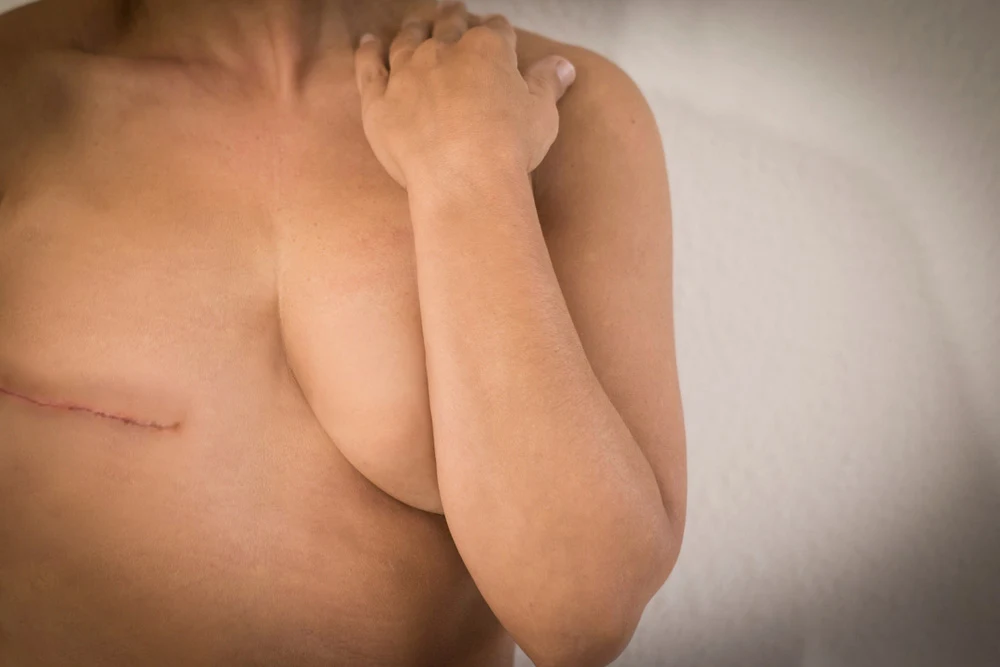
Cancer treatment can save lives, yet it often leaves behind physical changes that affect how you look, move, and feel. Reconstructive surgery after cancer treatment focuses on restoring form and function, not just appearance. In a city like Mumbai, patients now have access to advanced reconstructive options that support both physical recovery and emotional well-being.
This blog explains what post-cancer reconstruction involves, the solutions available today, and how expert care can help you regain confidence and comfort.
Understanding Reconstruction After Cancer Treatment
Cancer surgery, radiation, and chemotherapy can change the body in many ways. You may experience tissue loss, scarring, nerve damage, or restricted movement. Reconstructive surgery addresses these concerns with planned, stage-wise procedures. This type of surgery is not cosmetic. Its goal is to help you return to daily life with fewer limitations. It supports basic needs such as breathing, walking, speaking, or wearing regular clothes without discomfort.
Reconstruction can be done soon after cancer surgery or months later. The timing depends on your cancer type, treatment plan, and overall health. Your surgeon works closely with oncologists to ensure safety and long-term outcomes.
Common Physical Challenges Faced by Cancer Survivors
After cancer treatment, many patients share similar struggles.Scarring and tight skin can limit movement. Loss of tissue may change body shape or symmetry. Nerve damage may cause numbness or pain. Facial or breast changes can affect self-image.These changes often impact daily tasks. You may hesitate to socialize or return to work. Some patients avoid mirrors or photos. Reconstructive surgery focuses on practical improvement. Better movement, reduced pain, and restored structure can improve how you feel each day.
Advanced Reconstructive Techniques Used Today
Modern reconstructive surgery has moved far beyond basic repair. Surgeons now use precise planning, imaging, and microsurgical skills.
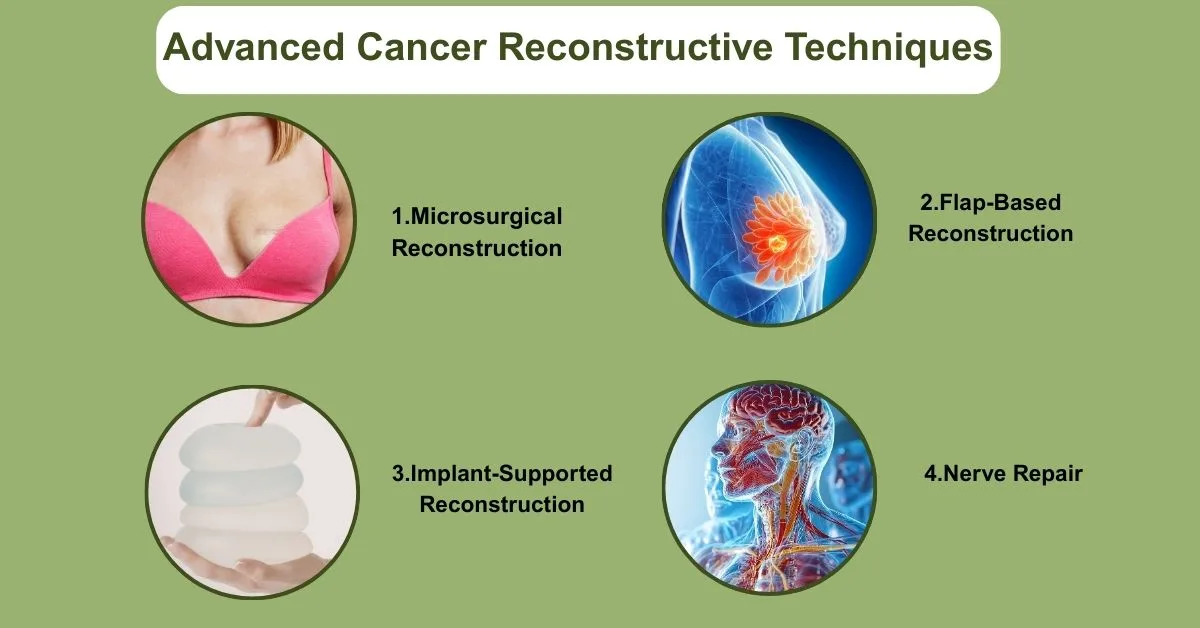
Microsurgical Reconstruction
Microsurgery allows surgeons to transfer tissue from one part of the body to another. Blood vessels are connected under high magnification. This approach works well for breast, head and neck, and limb reconstruction.It provides natural texture and long-term stability. Many patients prefer this option over implants when suitable.
Flap-Based Reconstruction
Flap surgery uses skin, muscle, or fat from your own body. Common donor areas include the abdomen, back, or thighs. This method suits patients who have lost large volumes of tissue. It also helps in areas exposed to radiation, where healing can be slow.
Implant-Supported Reconstruction
Implants may be used in facial or breast reconstruction. They help restore shape when enough healthy tissue remains. Surgeons choose materials that balance safety and durability.
Nerve Repair and Functional Restoration
Cancer surgery can affect nerves that control movement or sensation. Reconstructive procedures may include nerve grafting or transfers. This can improve muscle strength, facial expression, or limb use over time.
Breast Reconstruction After Cancer
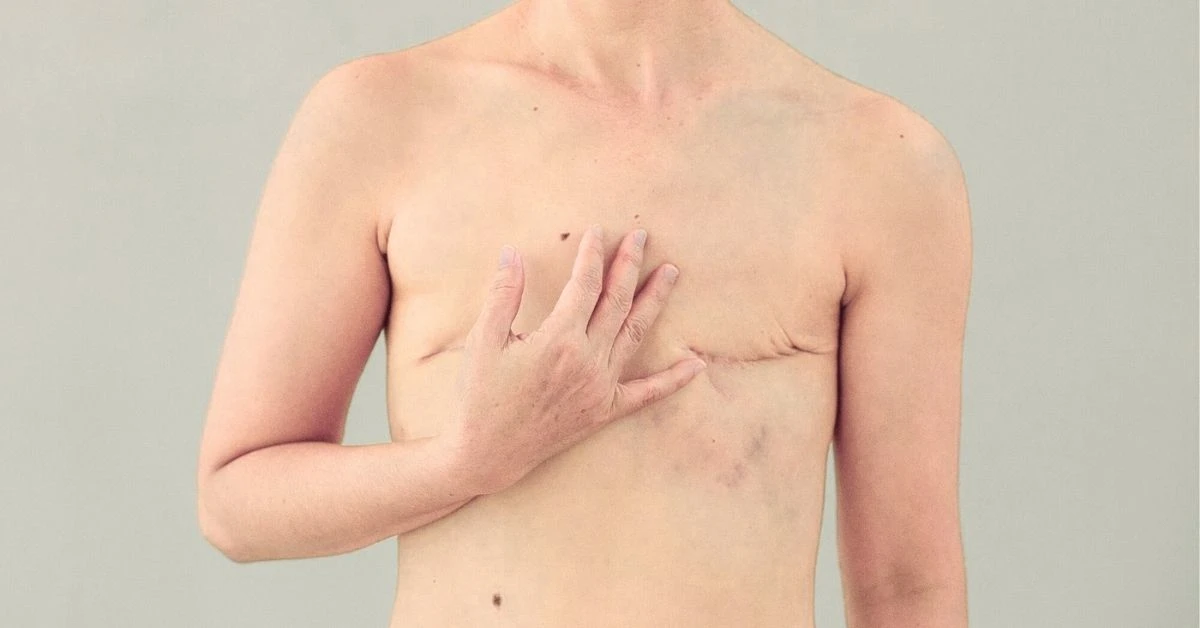
Breast cancer treatment often involves partial or complete removal of breast tissue. Reconstruction helps restore body balance and posture. You may choose reconstruction using your own tissue or implants. Some patients combine both methods. The process may involve multiple stages. Each step is planned to match your healing pace and comfort. Breast reconstruction is a personal choice. Some women choose it for physical symmetry. Others value the emotional closure it provides after cancer treatment.
Head, Neck, and Facial Reconstruction
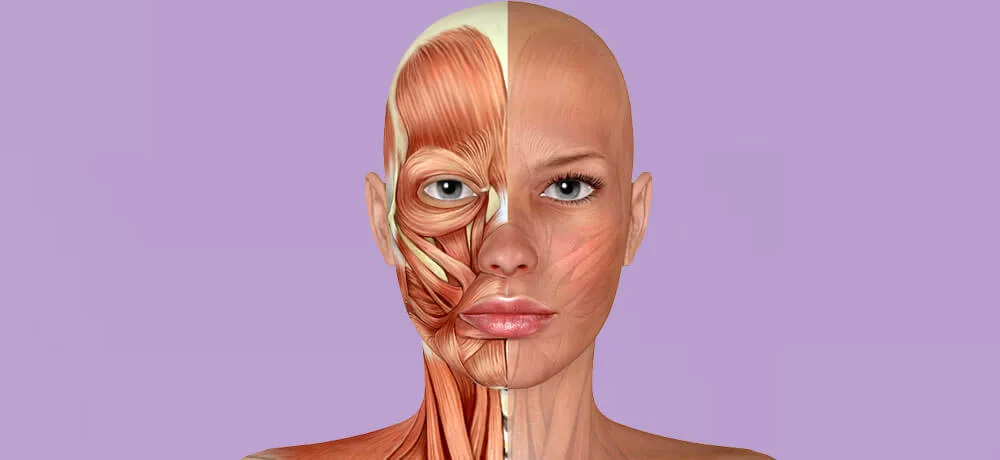
Cancers of the head and neck can affect speech, swallowing, and facial appearance. Reconstruction in this area requires detailed planning. Surgeons focus on restoring structure while preserving function. Jaw reconstruction may involve bone grafts or titanium plates. Soft tissue repair supports facial movement and expression.These procedures can help you eat, speak, and breathe with greater ease. They also support social confidence, which plays a key role in recovery.
Limb Salvage and Post-Cancer Mobility
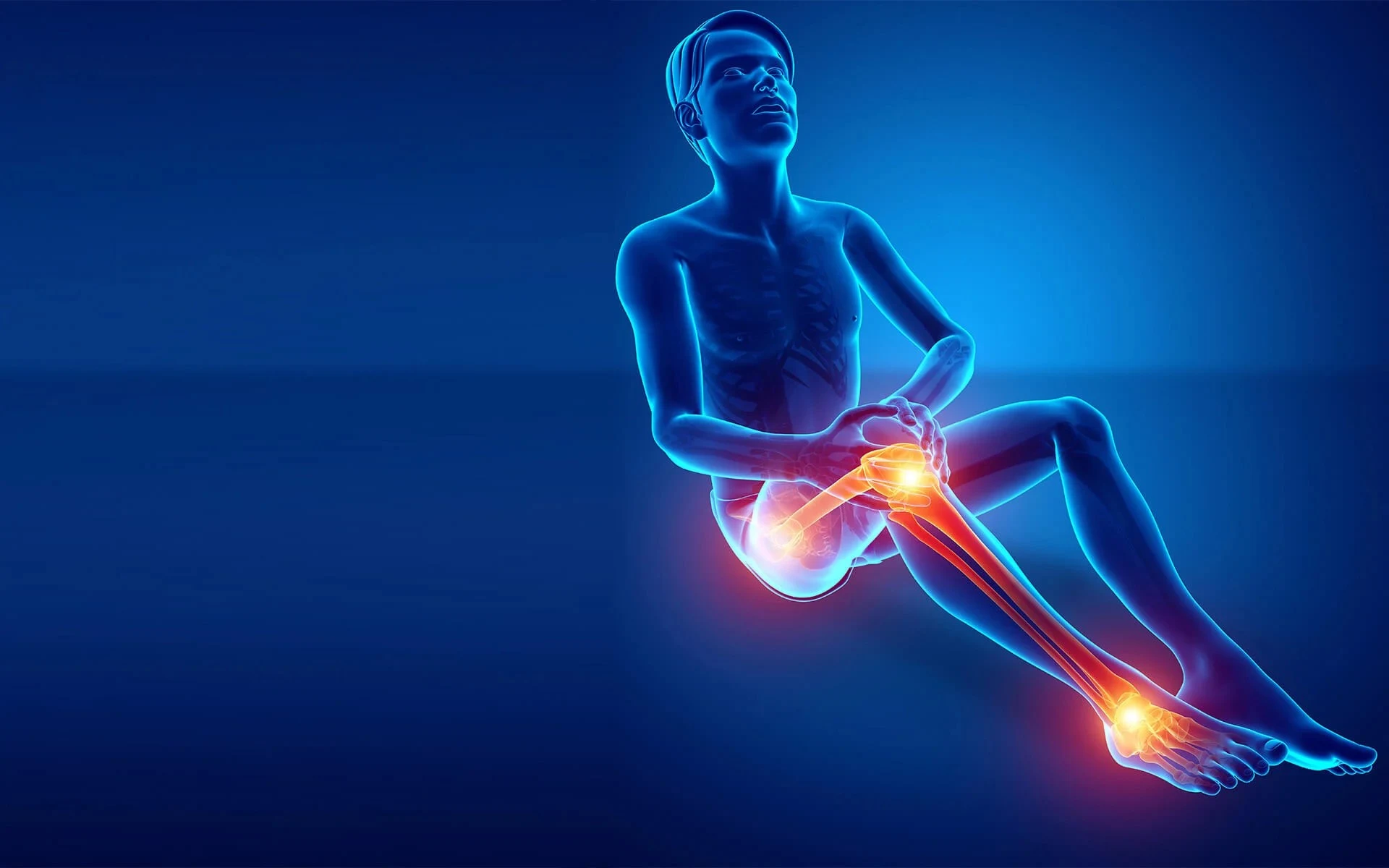
Bone and soft tissue cancers sometimes threaten limb function. In the past, amputation was common. Today, limb salvage procedures offer other options. Surgeons remove the tumor while preserving as much structure as possible. Reconstruction may include bone grafts, metal implants, or prosthetic integration.
The aim is stable movement and pain control. With therapy, many patients return to walking or using the limb for daily tasks.
Emotional and Psychological Impact of Reconstruction
Cancer changes how you see your body. Reconstructive surgery helps address this shift. Patients often report improved confidence after reconstruction. Feeling comfortable in your own body supports mental health. It also encourages social interaction and physical activity. Open conversations with your surgeon help set realistic expectations. The goal is progress, not perfection. Even small improvements can bring meaningful change to daily life.
Choosing the Right Reconstructive Surgeon in Mumbai
Reconstruction after cancer demands skill and experience. Your surgeon must understand cancer biology, healing patterns, and long-term outcomes. Mumbai offers access to specialists trained in complex reconstruction. Look for a surgeon who explains options clearly. You should feel heard and supported at each stage.
A detailed consultation helps align goals with medical safety. This partnership shapes the entire recovery journey.
Meet Dr. Vinay Jacob
Dr. Vinay Jacob is a Senior Plastic and Reconstructive Surgeon with over 25 years of clinical practice. He is known for his focused work in complex reconstruction across multiple specialties. His areas of practice include breast reconstructive surgery, limb salvage with prosthetics integration, and reconstruction after cancer treatment. He also works in gender-affirming surgeries, hand and facial rejuvenation, nasal and respiratory procedures, abdominal and hernia repair, neurological and pain relief surgeries, body contouring, and intimate procedures.
Patients value his structured approach and clear communication. To book an appointment, you can call or visit the clinic directly.
FAQs
1. When can reconstruction be done after cancer treatment?
Reconstruction can be done at the same time as cancer surgery or later. The timing depends on your treatment plan and healing capacity. Your surgeon and oncologist decide together.
2. Will reconstruction interfere with cancer follow-up?
Reconstruction does not block cancer monitoring when planned properly. Imaging and exams remain effective. Your medical team coordinates follow-up care.
3. Is reconstructive surgery painful?
Some discomfort is expected after surgery. Pain control plans are part of treatment. Most patients find recovery manageable with guidance.
4. How long does recovery take?
Recovery varies by procedure. Minor procedures may need weeks. Complex reconstruction may need months with therapy support.
5. Does reconstruction improve quality of life?
Many patients report better movement, comfort, and confidence. Results depend on goals and overall health. Open discussion helps set realistic outcomes.
Conclusion
Advanced reconstructive solutions after cancer treatment focus on helping you live fully after survival. They address physical changes that affect movement, comfort, and self-image. With modern techniques and experienced care available in Mumbai, you have options that support both function and confidence. A thoughtful consultation with a qualified reconstructive surgeon can guide you toward choices that match your needs and long-term health.