
Effective Exercise Routine to Reduce Gynecomastia Naturally
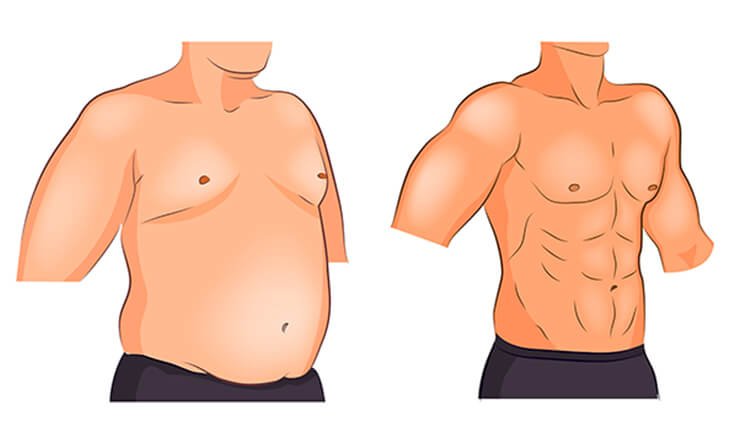
Gynecomastia , often referred to as "man boobs," is a common condition that causes enlarged breast tissue in men. It can affect confidence, self-image, and overall physical comfort. While medical or surgical treatments are available, many men prefer to explore natural methods first. A well-planned exercise routine combined with healthy lifestyle habits can help reduce the appearance of gynecomastia and promote a fitter chest profile. This blog will discuss effective workouts to target chest fat, lifestyle habits to support your progress, and expert guidance from Dr. Vinay Jacob—one of India's leading plastic and reconstructive surgeons.
Understanding Gynecomastia and Its Causes
Before jumping into exercises, it's essential to understand what causes gynecomastia.
What happens:
Gynecomastia occurs due to an imbalance between estrogen and testosterone levels in men. When estrogen increases or testosterone decreases, fat and glandular tissue accumulate in the chest area.
Common causes include:
- Hormonal changes during puberty or aging
- Certain medications or anabolic steroids
- Alcohol or drug use
- Obesity and poor diet
- Lack of physical activity
Knowing the root cause helps in planning the right strategy—whether through fitness, nutrition, or medical consultation.
The Role of Exercise in Reducing Gynecomastia
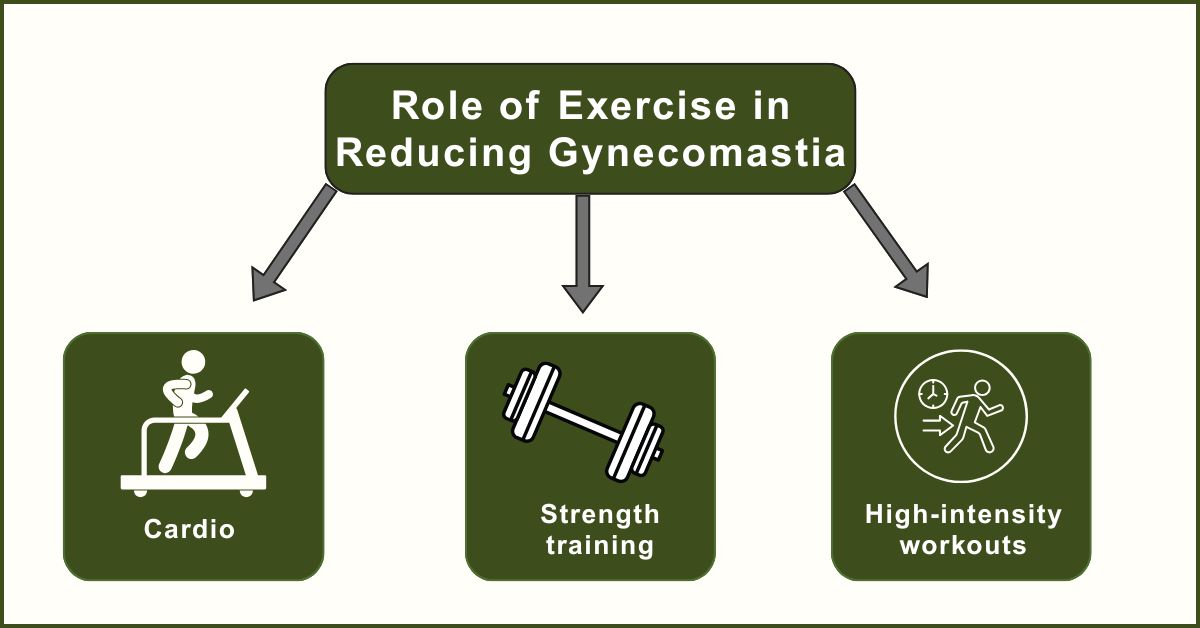
Exercise cannot remove glandular tissue, but it can significantly reduce chest fat and tone underlying muscles. A consistent workout plan helps burn calories, balance hormones, and sculpt a firmer chest.
You should focus on three key areas:
- Cardio – for fat burning
- Strength training – for muscle definition
- High-intensity workouts – for hormone balance and calorie burn
When done together, these create a natural, effective approach to managing gynecomastia.
Best Cardio Workouts for Fat Reduction
Cardio helps burn calories and reduces overall body fat, including the chest area.
Recommended exercises:
- Running or jogging: 30–40 minutes daily improves metabolism.
- Cycling: Excellent for endurance and fat burning.
- Jump rope: Engages the upper body and boosts heart rate quickly.
- Swimming: A full-body workout that tones the chest, shoulders, and arms.
Tip: Aim for at least 150 minutes of moderate-intensity cardio per week. Stay consistent rather than pushing for high intensity right away.
Strength Training to Build a Firm Chest
Once you start reducing fat through cardio, strength training helps sculpt your chest. The goal is to replace soft tissue with firm muscle.
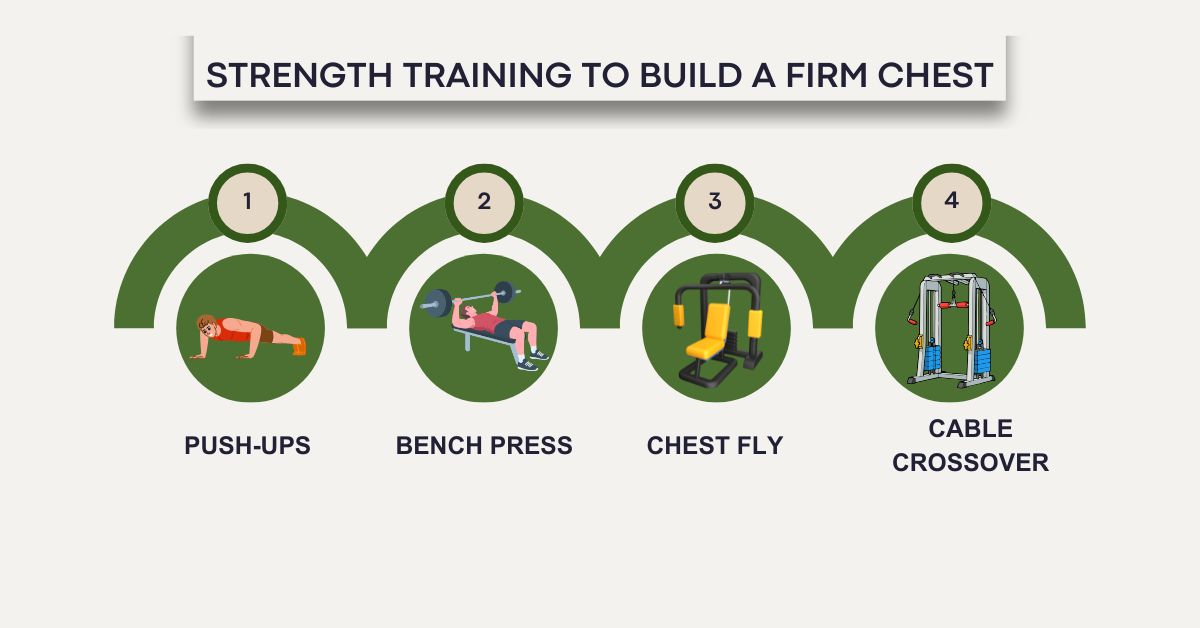
Effective chest exercises:
- Push-ups: Start with 3 sets of 15–20 reps. Variations like decline or diamond push-ups enhance definition.
- Bench press: Use a flat or incline bench. Start light and increase gradually.
- Chest fly: Performed with dumbbells to stretch and strengthen the pectoral muscles.
- Cable crossover: Works both the upper and lower chest areas for balanced development.
Pro tip: Maintain proper form to prevent shoulder strain. Rest 45–60 seconds between sets for optimal recovery.
Targeted Fat-Burning and HIIT Workouts
High-Intensity Interval Training (HIIT) alternates between bursts of intense exercise and short rest periods. It boosts fat metabolism and hormone regulation.
Sample HIIT chest routine (20 minutes):
- Jumping jacks – 45 seconds
- Push-ups – 30 seconds
- Mountain climbers – 30 seconds
- Burpees – 30 seconds
- Rest – 15 seconds
- Repeat the circuit 4–5 times.
HIIT not only burns calories but also increases testosterone naturally, helping balance hormones that contribute to gynecomastia.
Supporting Your Exercise Routine with the Right Nutrition
Exercise alone won't be effective if your diet is poor. You need a balanced plan to reduce body fat and support muscle growth.

Key dietary habits:
- Eat more protein: Include eggs, chicken, fish, tofu, and lentils to build muscle.
- Cut down on processed sugar and alcohol: These contribute to fat accumulation and hormonal imbalance.
- Include healthy fats: Avocados, nuts, olive oil, and fish improve testosterone levels.
- Stay hydrated: Drink enough water daily to improve metabolism.
Avoid: Junk food, fried snacks, and carbonated drinks that add unnecessary calories.
Improving Hormonal Balance Naturally
Hormonal imbalance plays a major role in gynecomastia. Regular exercise and good nutrition are key, but lifestyle factors also make a difference.
Tips to support hormonal balance:
- Sleep at least 7–8 hours per night.
- Manage stress through meditation or deep breathing.
- Avoid alcohol, anabolic steroids, and drugs.
- Include resistance training, as it boosts testosterone naturally.
Balanced hormones improve your metabolism, fat distribution, and chest appearance over time.
Tracking Progress and Staying Consistent
Gynecomastia doesn't reduce overnight. Consistency and patience are crucial.
Track your progress:
- Take weekly photos to notice physical changes.
- Record your workout and diet routine.
- Monitor chest measurements monthly.
- Celebrate small wins—stronger push-ups, better endurance, or visible toning.
Maintaining motivation will help you stay committed to your fitness plan long-term.
When to Consider Medical Consultation
If your gynecomastia is due to glandular tissue rather than fat, exercise alone might not fully resolve it. In such cases, professional consultation is recommended.
A plastic surgeon can evaluate whether your condition is hormonal, fatty, or glandular—and suggest suitable treatments if needed. Combining exercise with professional guidance often provides the best outcome.
Meet Dr. Vinay Jacob
Dr. Vinay Jacob is a Senior Plastic and Reconstructive Surgeon in India with over 25 years of experience. He holds an MBBS from St. John's Medical College, Bangalore, and completed his MS and MCh in Plastic Surgery from Tata Memorial Hospital, Mumbai. His expertise includes body contouring, fat reduction, gender-affirming surgeries, facial rejuvenation, hernia repair , and breast reconstruction. Consult him at the Reconstructive Surgery Centre , Bandra (West), Mumbai.
FAQs
1. Can exercise alone completely cure gynecomastia?
Exercise can reduce fat and tone chest muscles, improving appearance, but it may not eliminate glandular tissue. In such cases, medical evaluation is necessary.
2. How long does it take to see results from an exercise routine?With consistent workouts and proper nutrition, noticeable changes can appear in 8–12 weeks. Patience and consistency are key.
3. Should I avoid chest workouts if I have gynecomastia?No. Chest workouts help tighten and firm the area. Just ensure your form is correct and avoid overtraining.
4. Does weight loss help in reducing gynecomastia?Yes, reducing body fat through weight loss can make gynecomastia less visible, especially if it's due to fat buildup rather than glandular tissue.
5. What are the signs that I might need surgery?If the chest remains enlarged even after months of exercise and weight loss, or if you feel firm tissue beneath the nipple, consult a plastic surgeon for evaluation.
Conclusion
Reducing gynecomastia naturally requires a mix of consistent exercise, proper nutrition, and balanced lifestyle habits. A focused routine that includes cardio, strength training, and HIIT can help sculpt your chest and improve confidence.
Every individual's body responds differently, so listen to your body and adjust your plan accordingly. If progress feels limited, consulting an expert like Dr. Vinay Jacob ensures you receive the right guidance for long-term results.
Start small, stay committed, and your journey toward a stronger, more confident body will follow naturally.