
Future of Jaw Reconstruction: 3D Printing & AI
Future of Jaw Reconstruction: 3D Printing & AI
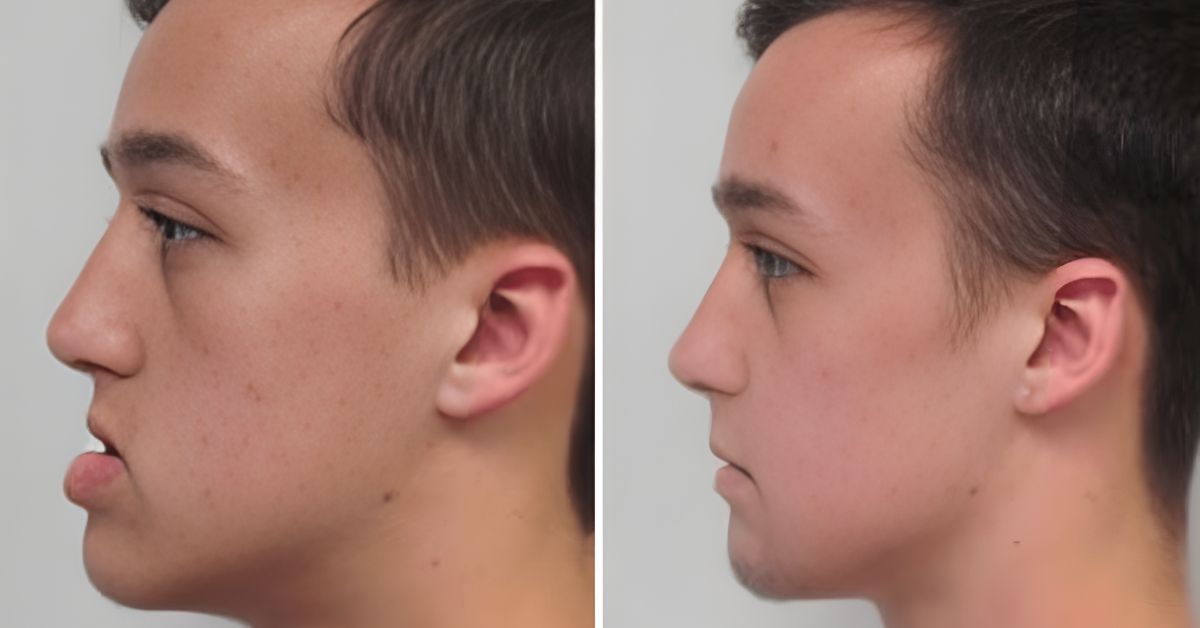
Jaw bone reconstruction plays a major role in restoring facial structure and normal function
after trauma, cancer surgery, birth defects, or severe bone loss. Many patients struggle with
problems like difficulty chewing, speaking, or maintaining facial symmetry.
New technologies now help surgeons plan and perform these complex procedures with greater
precision. Tools like 3D printing and artificial intelligence allow doctors to design
personalized surgical solutions for each patient.
This article explains how these technologies are changing Jaw Reconstruction. You will learn how
they improve surgical planning, implant design, and patient recovery.
Understanding Jaw Bone Reconstruction
Jaw Reconstruction rebuilds
parts of the jaw that
have been damaged or removed. Surgeons perform
this procedure after tumor removal, serious injuries, infections, or congenital defects.
The goal is simple. Restore both function and appearance.
Common reasons for jaw reconstruction
- Oral cancer surgery
- Severe facial trauma
- Birth defects
- Bone loss from infection
Tumor removal may require removing part of the jawbone.
Road accidents and sports injuries may break or destroy sections of the jaw.
Some patients are born with underdeveloped jaw structures.
Long-term infections may damage jawbone tissue.
Traditional reconstruction methods
Surgeons often use bone from another part of the body such as:
- Fibula (leg bone)
- Hip bone
- Rib bone
They shape the bone manually during surgery and attach it to the jaw using plates and screws.
This method works well but it has challenges:
- Surgery takes longer
- Bone shaping depends heavily on the surgeon’s experience
- Perfect facial symmetry can be difficult to achieve
New technologies help solve many of these issues.
How 3D Printing Improves Surgical Planning
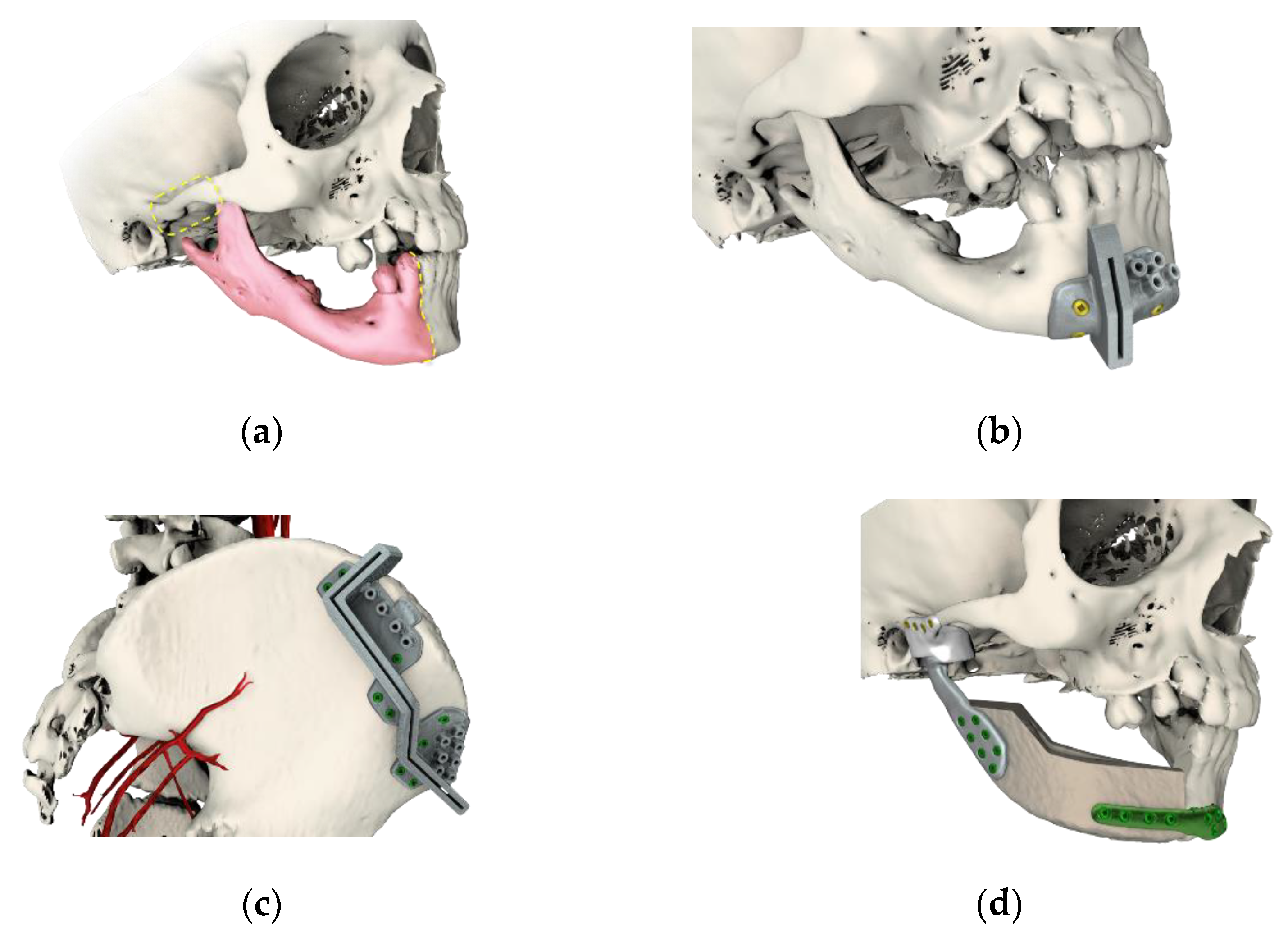
3D printing has changed how surgeons prepare for facial reconstruction. Doctors now create exact models of the patient’s skull before surgery.
- Step 1: Digital scanning
- Step 2: Virtual surgical planning
- Step 3: Printing the model
CT scans capture detailed images of the patient's facial bones. Special software converts these scans into a digital 3D model.
Surgeons study the model on a computer and plan the procedure step by step. They can test different approaches before entering the operating room.
A physical replica of the patient’s jaw is printed using medical-grade materials.
- Study the exact defect
- Practice the surgery beforehand
- determine precise bone cuts
The result is greater accuracy during the real operation.
Patient-Specific Implants Using 3D Printing
Another major development is the use of custom implants. Traditional metal plates come in standard shapes. Surgeons must bend them during surgery to match the patient's bone. 3D printing removes that limitation.
How custom implants are created
- The patient's CT scan creates a digital model.
- Engineers design an implant that fits the missing bone perfectly.
- A 3D printer builds the implant using titanium or biocompatible material.
Benefits for patients
- Better facial symmetry
- Reduced operating time
- Stronger implant fit
- Faster recovery
These implants match the patient’s anatomy with high precision. For many patients, this improves both function and appearance.
The Role of Artificial Intelligence in Facial Surgery
Artificial intelligence helps surgeons analyze medical images and predict surgical outcomes. AI systems review thousands of past cases to identify patterns. This allows doctors to make better decisions during surgical planning.
- 1. Image analysis
- 2. Surgical planning
- 3. Outcome prediction
- 4. Risk reduction
AI software studies CT scans and highlights important anatomical structures.
The system can suggest optimal bone cuts and implant positions.
Doctors can simulate the final facial shape before surgery.
AI tools identify potential complications in advance.
This technology supports the surgeon's expertise rather than replacing it. The final decision always remains with the doctor.
Combining AI and 3D Printing for Personalized Surgery
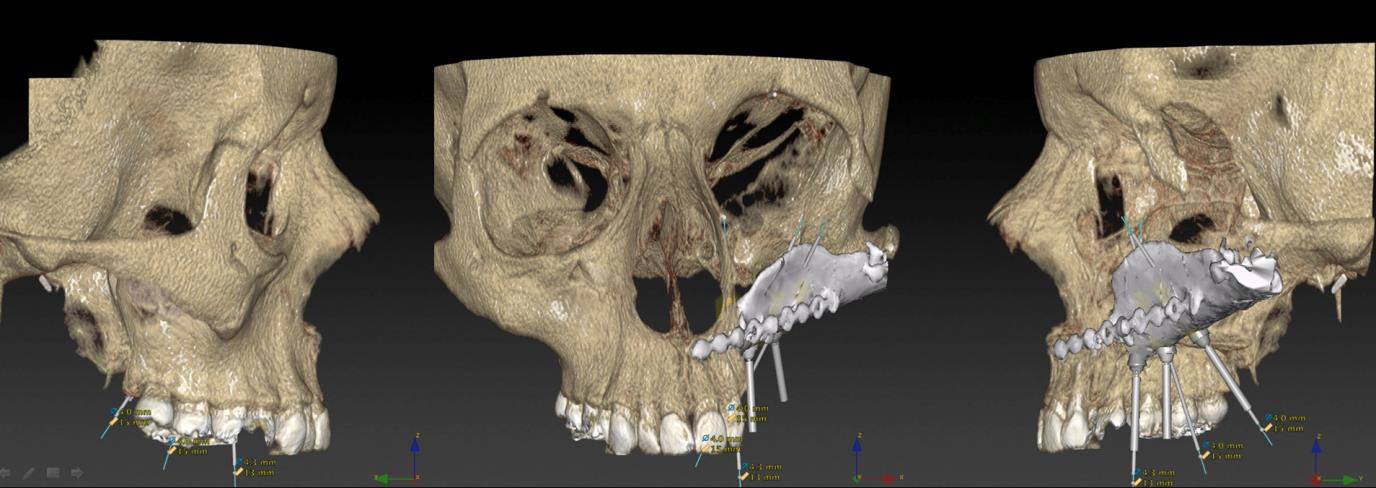
The biggest progress appears when both technologies work together. AI analyzes the patient’s anatomy and suggests a reconstruction plan. 3D printing then produces surgical guides and implants based on that plan.
Surgical guides
These guides help surgeons perform precise bone cuts during surgery. They act like templates that fit exactly on the patient's bone.
Advantages of this approach
- Higher surgical precision
- Shorter operating time
- Reduced blood loss
- Better cosmetic outcomes
- Patients often recover faster because the surgery becomes more predictable
Real-World Impact on Patient Recovery
- Shorter surgery time – Better planning reduces the time spent shaping bones during the procedure.
- Improved facial balance – Custom implants restore natural facial proportions.
- Faster healing – Precise reconstruction helps tissues heal more efficiently.
- Better chewing and speech – Accurate jaw alignment improves everyday functions.
These improvements make a meaningful difference in the patient's quality of life.
What the Future May Look Like
- Bioprinting – Scientists are testing printers that can create bone-like tissue using living cells.
- Smart implants – Future implants may contain sensors that track healing.
- AI-driven surgical robotics – Robotic systems may assist surgeons with extremely precise bone cutting.
These developments aim to make reconstructive surgery safer and more predictable.
Meet Dr. Vinay Jacob
Dr. Vinay Jacob is a highly qualified Senior Plastic and Reconstructive Surgeon in India with more than 25 years of clinical experience. Dr. Jacob focuses on advanced reconstructive procedures that restore both function and appearance.
Areas of specialization
- Gender-affirming surgeries
- Hand rejuvenation
- Nasal and respiratory procedures
- Limb salvage and prosthetics integration
- Body contouring and fat reduction
- Intimate and pelvic procedures
- Abdominal and hernia repair
- Neurological and pain relief surgeries
- Breast reconstructive surgery
To book an appointment, you can call the clinic or visit directly for consultation.
FAQs
1. Who may need jaw bone reconstruction surgery?
Patients may need this surgery after oral cancer treatment, severe facial trauma, infections, or congenital jaw defects. The goal is to restore normal facial structure and function.
2. Is 3D printed jaw reconstruction safe?
Yes. Surgeons use medical-grade materials such as titanium that are widely used in reconstructive procedures. These implants undergo strict testing for safety and compatibility with the body.
3. Does AI perform the surgery?
No. AI assists doctors in analyzing scans and planning procedures. The surgeon performs the operation and makes all clinical decisions.
4. How long does recovery take after jaw reconstruction?
Recovery depends on the type of reconstruction and the patient’s health. Many patients require several weeks for healing and rehabilitation.
5. Will the face look normal after reconstruction?
Modern planning techniques allow surgeons to restore facial balance with high precision. Many patients regain natural facial structure and improved function.
Conclusion
Jaw bone reconstruction has changed significantly with the introduction of advanced digital
tools. 3D printing allows surgeons to create patient-specific models and implants. AI assists
with surgical planning and outcome prediction.
These technologies improve precision, shorten surgery time, and support better recovery for
patients.
If you face jaw injury, tumor surgery, or bone loss, a consultation with an experienced
reconstructive surgeon helps you understand your options and choose the most suitable treatment
plan.