
Jawbone Reconstruction With Your Own Bone
How Jawbone Reconstruction With Your Own Bone Ensures Better Outcomes
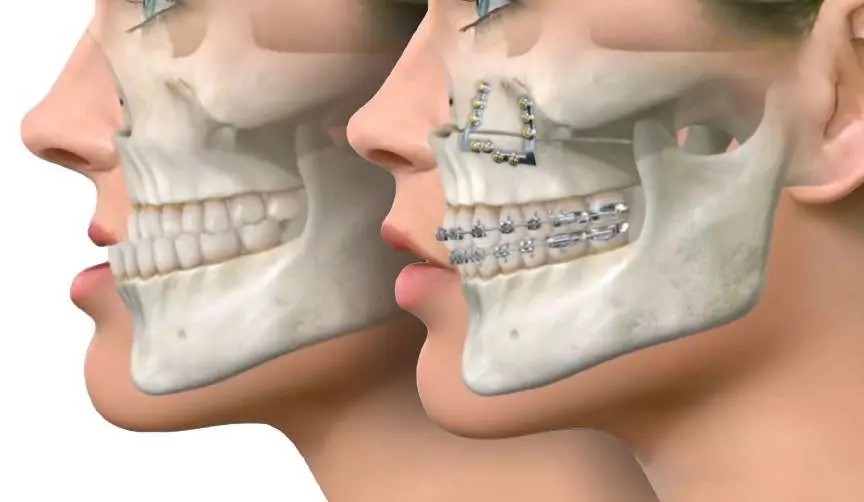
Jawbone loss affects your ability to chew, speak, and maintain the natural shape of your face. When the jawbone weakens or shrinks due to trauma, infection, tumors, or long-standing tooth loss, everyday life becomes difficult. Reconstruction gives strength back to the jaw, but the method used plays a major role in long-term success. Using your own bone for rebuilding the jaw has become one of the most trusted approaches for stable and lasting results.
This blog will explain how jawbone reconstruction works, why your own bone is often preferred, what to expect during treatment, and how this approach supports better healing. You will also learn about the advantages, the recovery timeline, and who benefits the most from this procedure.
Why Jawbone Reconstruction Is Needed
Jawbone reconstruction becomes necessary when the bone is too weak or missing to support basic functions.
You may need it if you have:
- Bone loss due to tumors or cyst removal
- Trauma from accidents or sports injuries
- Severe infection such as osteomyelitis
- Congenital deformities
- Long-term missing teeth leading to bone shrinkage
- Failed implants or previous surgery
A strong jawbone is essential for chewing, facial support, proper speech, and future dental implant placement. When the bone is damaged, your quality of life changes. Rebuilding the structure restores stability, strength, and symmetry.
Why Surgeons Prefer Using Your Own Bone
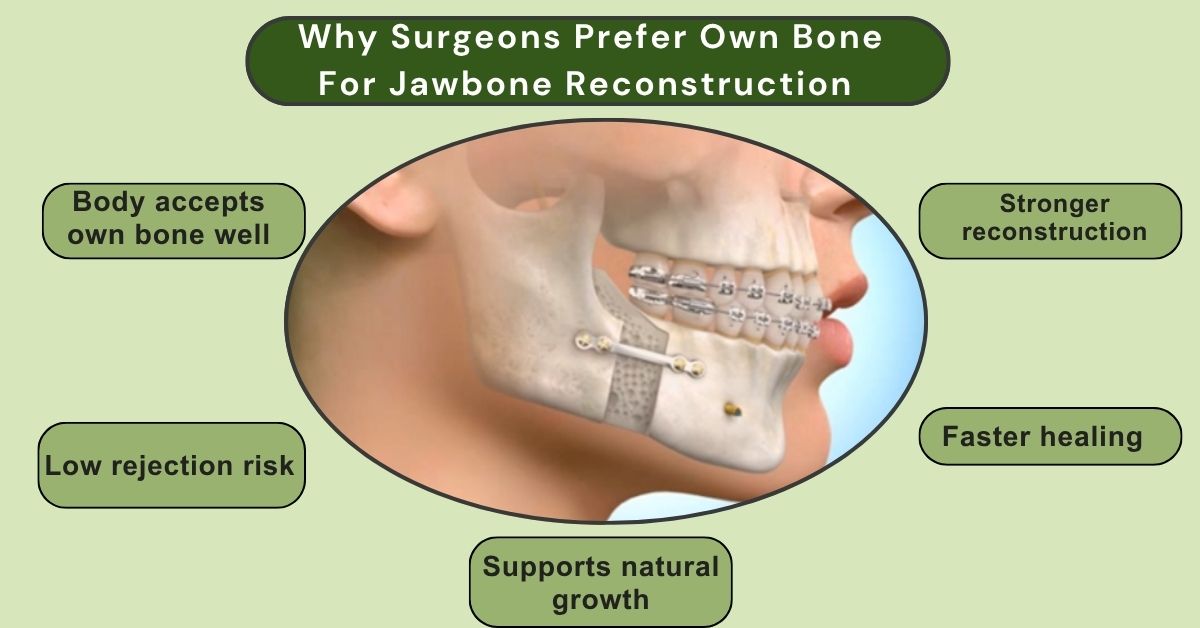
One of the biggest questions patients ask is: Why use my own bone when artificial or donated bone exists?
The answer lies in healing speed, compatibility, and long-term performance.
- Your body accepts your own bone easily
- The chances of rejection are low
- The cells in your bone promote natural growth
- Healing takes place faster
- The reconstructed area becomes stronger
Using your bone helps the new jaw section blend with the existing structure. This creates a stable foundation that lasts years and supports functions like chewing and implant placement with confidence.
Common Donor Sites Used for Jawbone Reconstruction
Your surgeon takes bone from areas where it is naturally dense, strong, and easy to shape for reconstruction.
The most common donor sites are:
- Iliac crest (hip bone) The hip bone provides strong, dense bone suitable for major reconstruction work. It is one of the preferred donor sites when a large volume is needed.
- Fibula (lower leg bone) The fibula offers long segments of bone and is ideal when the jaw needs structural support or reshaping. It also allows for advanced reconstruction such as free flap procedures.
- Scapula (shoulder blade) Suitable for reconstructing complex facial angles. Surgeons choose this area when they need flexible bone to match jaw contours.
- Jawbone itself For smaller defects, bone can be taken from the chin or back of the jaw.
Each donor site has its own benefits. The choice depends on the area being rebuilt, the amount of bone needed, and your overall health.
How the Reconstruction Procedure Works
Jawbone reconstruction is planned step by step.

Here is how the process usually moves forward:
- 1. Evaluation The surgeon checks your jaw using X-rays, CT scans, or 3D imaging. This helps measure the missing bone and plan the procedure precisely.
- 2. Choosing the donor site Based on the size and shape of the defect, your surgeon decides where to harvest the bone from.
- 3. Harvesting the bone The bone is carefully removed from the selected area without affecting the function of that site.
- 4. Shaping the bone The harvested bone is shaped to match your jaw. This step ensures proper alignment and natural appearance.
- 5. Fixation The bone is attached to your jaw using plates and screws that keep the structure stable during healing.
- 6. Healing and integration The bone fuses with your jaw over time. This process is called osseointegration.
The entire process aims for a stable structure, natural contour, and long-term function.
Advantages of Using Your Own Bone
Using your bone for reconstruction offers benefits that synthetic materials cannot match.
- Better healing
Your bone carries live cells that help new tissue grow. Healing becomes smoother.
- Higher success rate
The body integrates with its own bone more easily, improving long-term stability.
- Lower infection risk
Foreign materials carry risks. Your bone reduces complications.
- Better support for dental implants
Once healed, the reconstructed area becomes strong enough to support implants.
- Natural facial appearance
The restored jaw maintains symmetry and structure.
These benefits make natural bone grafting a strong choice for patients who want reliable outcomes.
What To Expect During Recovery
Healing takes time, and understanding the recovery process helps reduce anxiety.
You can expect:
- Swelling in the first week
- Mild discomfort at both the jaw and donor site
- A soft diet for some time
- Regular check-ups to monitor healing
- Complete bone fusion over several months
Most patients return to routine activities within two to three weeks, depending on the complexity of the surgery.
Your surgeon will guide you through medication, diet, oral care, and follow-up schedules to ensure steady healing.
Who Is an Ideal Candidate for Jawbone Reconstruction
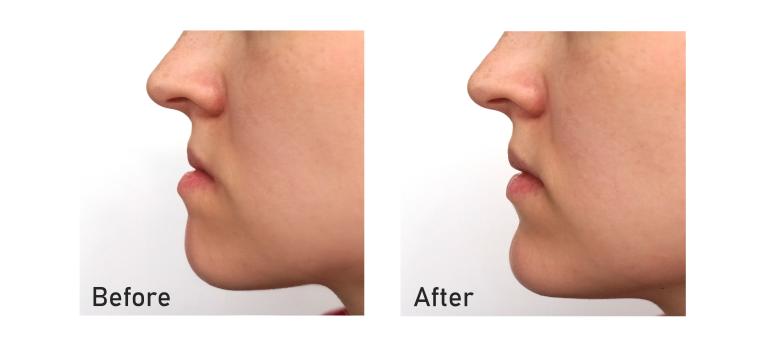
This procedure benefits patients who:
- Have severe bone loss
- Want dental implants but lack bone support
- Have facial imbalance due to trauma
- Have undergone tumor removal
- Have congenital defects
- Need long-term structural stability
A detailed evaluation confirms whether your bone quality, medical history, and goals align with the procedure.
Long-Term Outlook After Reconstruction
Patients who undergo jawbone reconstruction with their own bone often enjoy long-lasting improvements.
You can expect:
- Strong jaw support
- Better chewing function
- Improved speech
- Restored confidence in facial appearance
- Good implant stability if planned later
The reconstructed bone behaves like your natural bone and continues to remodel over time. This helps sustain the results for years.
Meet Dr. Vinay Jacob
Dr. Vinay Jacob is a Senior a Plastic and Reconstructive Surgeon with more than 25 years of experience. He completed his MBBS from St. John's Medical College, Bangalore in 1991. He earned his MS from Tata Memorial Hospital, Mumbai in 1996. He later completed his MCh and DNB in Plastic Surgery in 2001 with distinction.
Dr. Vinay Jacob has focused his career on complex reconstructive work and advanced aesthetic procedures. He treats a wide range of concerns, including gender-affirming needs, hand and facial rejuvenation, nasal and airway problems, limb salvage, prosthetic integration, body contouring, intimate and pelvic issues, abdominal and hernia repair, neurological and pain-related conditions, and breast reconstruction. You can meet him at the Reconstructive Surgery Centre, 503 Sagar Fortune Building, Above A Kreations, Waterfield Road, Bandra West, Mumbai 400050.
To book an appointment, call or visit the clinic.
FAQs
1. Is using my own bone painful?
You may experience discomfort at the donor site during the first few days, but it improves with medication and rest. Most patients recover comfortably.
2. How long does the bone take to fuse with the jaw?
Fusion begins within weeks and continues for several months. Your surgeon monitors this process during follow-ups.
3. Can I get implants after reconstruction?
Yes. The reconstructed area provides strong support for implants once it has healed fully.
4. Is jawbone reconstruction safe for older patients?
Age is not the only factor. Your overall health, bone quality, and medical history determine suitability.
5. Will the donor site be affected long term?
The donor site heals well. The body adapts, and normal function is preserved.
Final Thoughts
Jawbone reconstruction with your own bone offers strength, stability, and natural healing. It gives your jaw a strong foundation and supports essential functions like chewing and speaking. If you are dealing with bone loss, trauma, or preparing for implants, this approach provides long-term support. A skilled surgeon guides you through the process and helps you regain comfort, confidence, and balance in your daily life.