
Arthritis Reconstruction in Mumbai
Modern Reconstruction Options for Arthritis in Mumbai
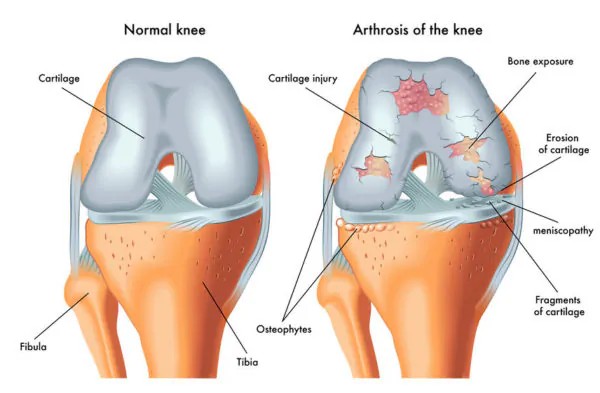
Arthritis can change how you move, work, and live each day. Pain, stiffness, and joint damage often limit simple actions like gripping a cup or walking across a room. Many people assume they must “live with it,” yet modern reconstructive care offers real solutions.
Today, surgical reconstruction can restore function, reduce pain, and help you return to daily activities. Mumbai is home to advanced reconstructive services that focus on preserving joints and rebuilding damaged structures.
This blog explains how arthritis affects joints, what Arthritis Reconstruction really means, and which modern options are available. You will also learn who may benefit, what recovery looks like, and how expert care plays a role.
Understanding Arthritis and Joint Damage
Arthritis is not just joint pain. It is a progressive condition that affects cartilage, bone, ligaments, and soft tissue. When cartilage wears down, bones rub against each other. This creates inflammation, deformity, and loss of movement.
Common types include:
- Osteoarthritis caused by wear and tear
- Rheumatoid arthritis driven by immune activity
- Post-traumatic arthritis after injury
You may notice:
- Morning stiffness
- Reduced grip strength
- Joint swelling
- Difficulty walking or lifting
Think about your daily routine. Do stairs feel harder? Does writing cause pain? These signs suggest structural damage that reconstruction may address.
When Reconstruction Becomes Necessary
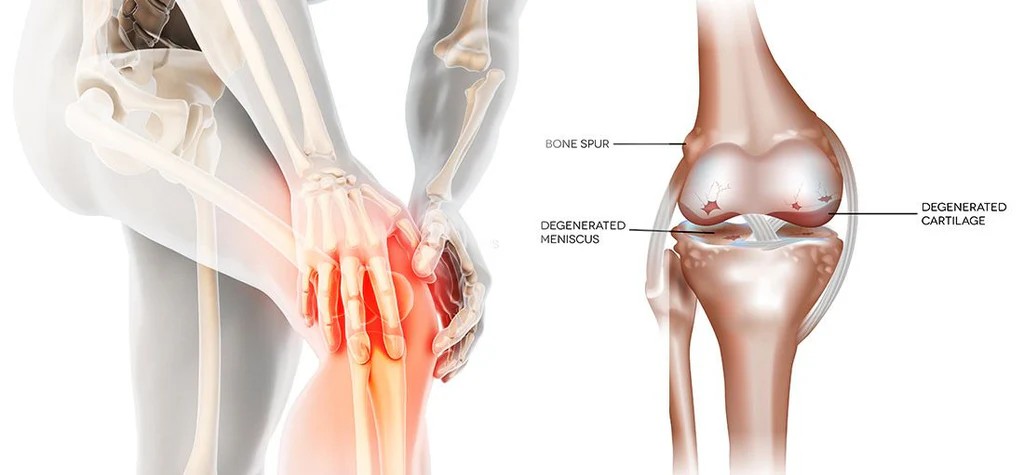
Not every arthritis case needs surgery. Many people improve with medication, therapy, and lifestyle changes.
Reconstruction becomes an option when:
- Pain limits daily function
- Joint deformity develops
- Non-surgical treatment fails
- Mobility declines steadily
You might reach a point where splints, injections, or therapy no longer help. At this stage, rebuilding the joint structure can restore alignment and movement. Early consultation matters. Delaying care may increase damage and make reconstruction more complex.
Modern Hand and Wrist Reconstruction
Hand arthritis can affect work, self-care, and independence. Reconstruction aims to restore fine motor control and strength.
Procedures may include:
- Joint resurfacing to reduce friction
- Tendon balancing to improve movement
- Fusion for stability in severe damage
- Small joint replacement for motion preservation
For example, a person struggling to button clothes due to thumb arthritis may regain pinch strength after reconstruction. Recovery focuses on guided hand therapy. Most patients return to controlled activities within weeks. Ask yourself: how much hand function have you quietly lost over time?
Advanced Joint Reconstruction and Limb Preservation
Arthritis sometimes causes severe deformity or bone loss. Reconstruction in these cases focuses on preserving the limb and restoring alignment.
Options include:
- Structural bone grafting
- Soft tissue reconstruction
- Joint realignment surgery
- Custom prosthetic integration
These procedures support walking, standing, and weight-bearing. Surgeons plan each reconstruction around your anatomy and activity goals. Modern imaging and surgical planning allow precise correction. This reduces stress on surrounding joints. Patients often report improved balance and confidence during movement after recovery.
Soft Tissue and Functional Reconstruction
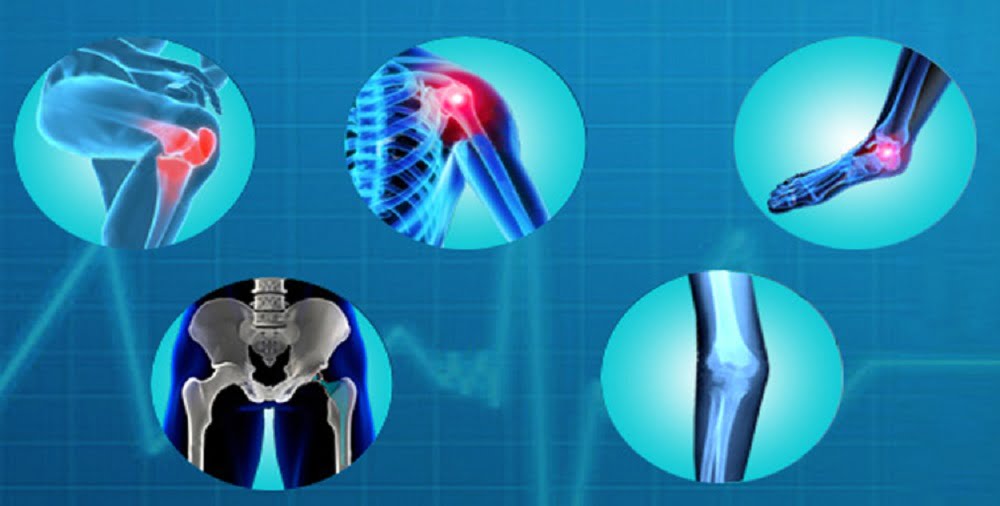
Arthritis does not only damage bone. It also affects ligaments, tendons, and surrounding tissue.
Functional reconstruction may involve:
- Tendon transfer to restore motion
- Ligament stabilization
- Scar tissue release
- Soft tissue coverage
This approach improves joint mechanics. It prevents further degeneration and enhances strength. Imagine regaining the ability to lift groceries or type without pain. These functional gains define successful reconstruction. Rehabilitation plays a central role. Structured therapy helps retrain movement patterns.
Personalized Surgical Planning and Recovery
No two arthritis cases are the same. Reconstruction requires careful evaluation.
Your surgeon considers:
- Joint condition
- Age and activity level
- Occupation
- Bone quality
- Functional goals
Recovery includes:
- Early protected motion
- Strength training
- Pain management
- Functional retraining
Patients who follow rehabilitation closely often see better outcomes. Ask yourself: what activities would you reclaim if pain no longer controlled your movement?
Emerging Reconstruction Techniques in Mumbai
Modern centers in Mumbai integrate advanced tools and refined techniques. These include:
- Microsurgical reconstruction
- Custom joint implants
- Minimally invasive correction
- Computer-assisted planning
Such techniques reduce tissue trauma and improve precision. Patients often experience shorter hospital stays and faster functional recovery. Surgeons now focus on preserving natural anatomy whenever possible. This leads to better long-term joint mechanics. Access to specialized reconstructive expertise makes Mumbai a strong destination for arthritis care.
Meet Dr. Vinay Jacob
Dr. Vinay Jacob is a Senior Plastic and Reconstructive Surgeon with over 25 years of clinical experience. He completed his MBBS at St. John’s Medical College, Bangalore in 1991. He earned his MS from Tata Memorial Hospital, Mumbai in 1996. He later completed his MCh and DNB in Plastic Surgery in 2001 with distinction.
His reconstructive work spans multiple functional and structural specialties, including:
- Gender-affirming surgeries
- Hand and facial rejuvenation
- Nasal and respiratory procedures
- Limb salvage and prosthetics integration
- Body contouring and fat reduction
- Intimate and pelvic procedures
- Abdominal and hernia repair
- Neurological and pain relief surgeries
- Breast reconstructive surgery
Appointments can be scheduled by calling or visiting the clinic directly. .
FAQs
1. Can reconstruction completely cure arthritis?
Reconstruction does not cure arthritis. It restores joint structure and function. Many patients experience major pain relief and improved mobility.
2. How long does recovery usually take?
Recovery varies by procedure. Minor reconstruction may take weeks. Complex reconstruction may require several months of therapy.
3. Is reconstruction only for severe arthritis?
No. Early reconstruction can prevent worsening deformity. A specialist evaluates timing based on joint damage and symptoms.
4. Will I regain full movement?
Movement improves significantly in most cases. Outcomes depend on joint condition, rehabilitation effort, and overall health.
5. Is age a barrier to reconstruction?
Age alone is not a deciding factor. Functional goals and medical fitness guide surgical planning.
Conclusion
Arthritis reconstruction focuses on restoring how you move, grip, walk, and live. Modern surgical options rebuild damaged joints and soft tissue with precision. Early evaluation opens the door to better function and less pain. If arthritis limits your daily life, professional reconstructive care can help you regain independence and confidence in movement.