
Secondary Rhinoplasty
Secondary Rhinoplasty: Planning, Surgical Expertise & Healing the Right Way
Secondary Rhinoplasty
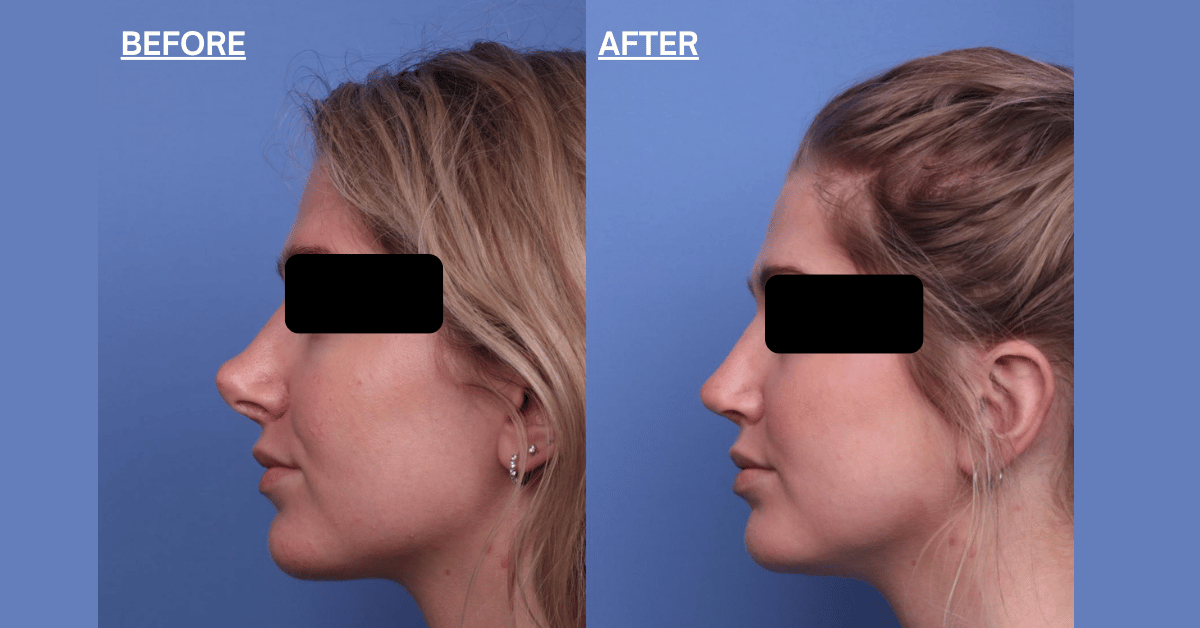
Secondary rhinoplasty, also called revision rhinoplasty, is performed when a previous nose surgery does not deliver the expected result. You may feel unhappy with the appearance, struggle with breathing, or notice changes that developed over time.
This procedure demands careful planning, strong surgical judgment, and patience during healing. This blog explains when secondary rhinoplasty is needed, how surgeons plan it, what surgery involves, and how you can heal the right way.
Understanding Secondary Rhinoplasty
Secondary rhinoplasty is very different from first-time nose surgery. Your nasal structure has already been altered during the previous procedure, which changes how the tissues respond to correction. Scar tissue is often present, and this can limit flexibility and visibility during surgery. In many cases, cartilage support is weak or missing, making reconstruction more complex and demanding careful structural planning.
You may consider revision surgery for several reasons. Some patients notice visible asymmetry or deformity that affects facial balance. Others feel the nose looks over-reduced or pinched, giving an unnatural appearance. Persistent breathing problems are also common, often linked to internal structural issues or weakened nasal valves.
In some cases, the nasal valves collapse over time, leading to airflow obstruction. Changes may also appear months or even years after the first surgery as tissues settle and support weakens. Each of these concerns directly affects how the surgery is planned and performed. This is why secondary rhinoplasty requires experience, precision, and a clear understanding of nasal structure and healing patterns.
Why Primary Rhinoplasty Sometimes Falls Short
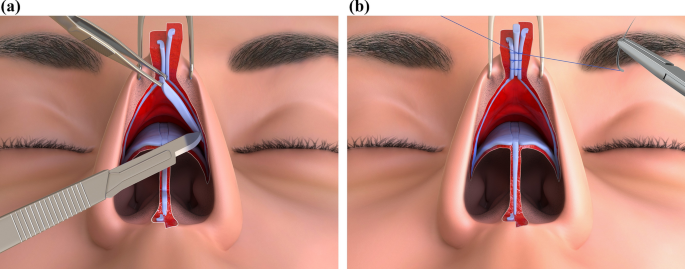
A first nose surgery can fail for several reasons. Healing does not always progress the way it is planned. In some cases, the body reacts unpredictably, which can affect both shape and function.
Scar tissue can also develop unevenly. This scar tissue may pull or twist the nose over time, changing its appearance or causing stiffness. When too much structural support is removed during the first surgery, the nose can lose strength, leading to collapse or breathing difficulty.
Sometimes, the original concern is not fully addressed. The nose may look improved at first, but deeper structural problems remain. In other cases, early swelling hides these issues. As swelling gradually settles, irregularities and functional problems become more noticeable.
When these changes appear, patients often begin to question their outcome. A common and understandable concern follows. Can my nose be corrected safely?
With proper evaluation, many concerns can be improved.
Timing Matters in Revision Rhinoplasty
You should not rush into secondary rhinoplasty. The nose needs time to heal fully after the first surgery. Most surgeons advise waiting at least 12 months.
This waiting period allows:
- Swelling to resolve
- Scar tissue to mature
- Blood supply to stabilize
- True shape issues to become clear
Operating too early increases risk and limits correction. Patience supports better outcomes.
Planning the Surgery the Right Way
Planning forms the foundation of successful secondary rhinoplasty. Your surgeon studies both appearance and function.
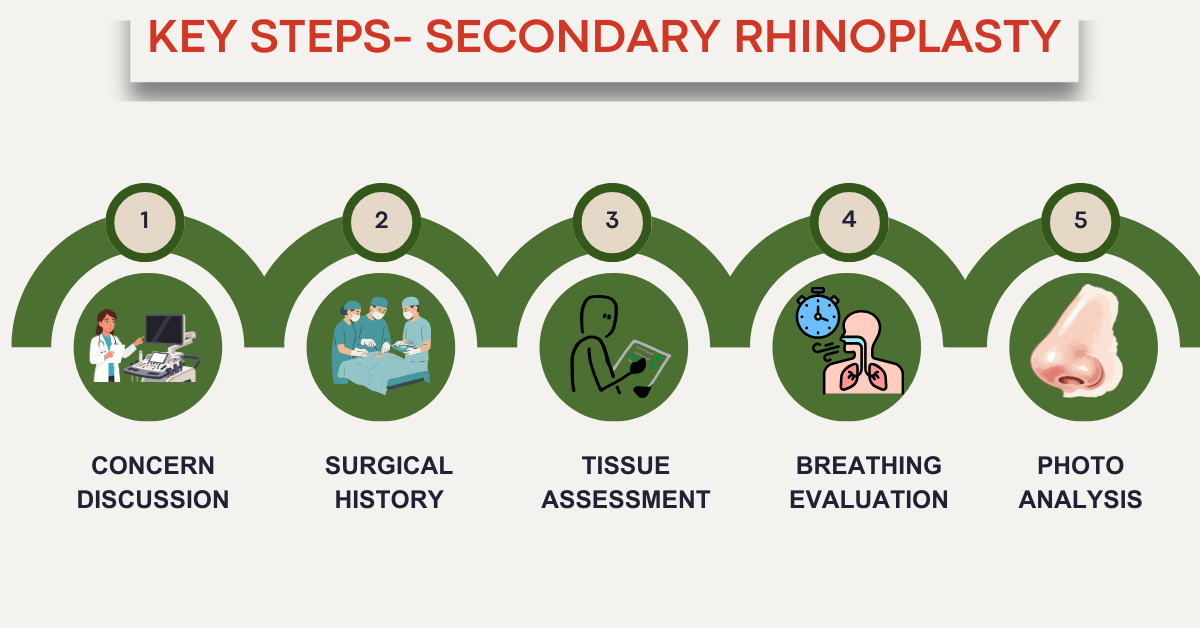
Key steps include:
- A detailed discussion of your concerns
- Review of past surgical history
- Physical examination of skin thickness and cartilage strength
- Breathing assessment
- Photographic analysis
Clear communication matters. You should explain what troubles you most. Your surgeon should explain what can be changed and what cannot. Realistic expectations protect you from disappointment.
Surgical Expertise Makes the Difference
Secondary rhinoplasty often requires rebuilding support rather than removing tissue. Surgeons frequently use cartilage grafts.
Common graft sources include:
- Septal cartilage from the nose
- Ear cartilage
- Rib cartilage in complex cases
These grafts restore structure, improve airflow, and refine shape. Every step must preserve blood supply and avoid excess trauma. Small errors can lead to visible problems. This is why surgeon experience plays a central role in revision cases.
Healing After Secondary Rhinoplasty
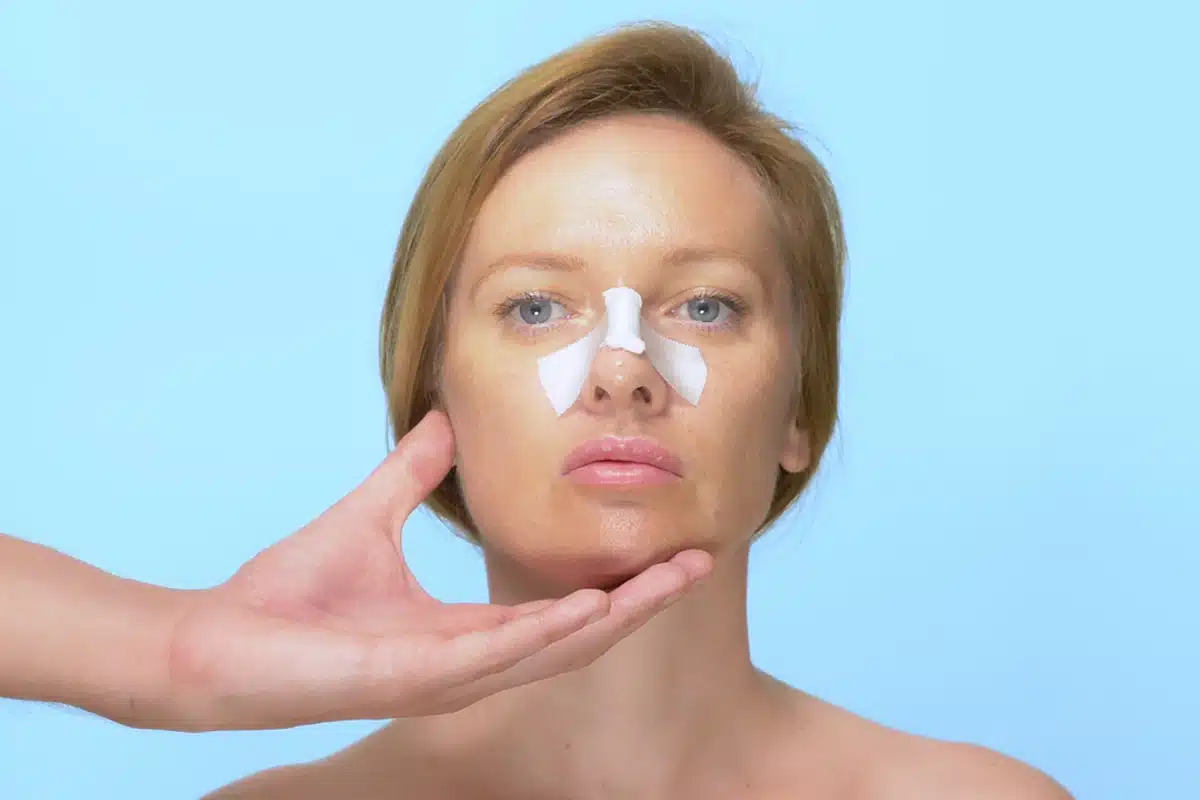
Healing after secondary rhinoplasty usually takes longer than recovery from a first nose surgery because scar tissue affects how the tissues respond and settle, swelling may persist for several months and change gradually, and proper healing depends on closely following medical instructions, avoiding pressure or injury to the nose, attending follow-up visits, and maintaining a healthy routine, with results appearing slowly over time through subtle refinements rather than sudden changes, making patience and trust in the healing process essential.
Emotional Aspects You Should Not Ignore
Many patients who consider secondary rhinoplasty feel frustrated or anxious because a previous surgery may have affected their confidence, and these emotions are completely valid, which is why open and honest conversation matters, as a skilled surgeon listens carefully, explains options clearly, and guides you with calm reassurance, helping you understand both the possibilities and the limits of revision surgery, and when you ask yourself whether you seek improvement rather than perfection, you set realistic expectations that support peace of mind and long-term satisfaction.
Meet Dr. Vinay Jacob
Dr. Vinay Jacob is a Senior Plastic and Reconstructive Surgeon with over 25 years of experience, specializing in secondary rhinoplasty, nasal and respiratory procedures, Hand Rejuvenation , facial rejuvenation, gender-affirming surgeries, body contouring, limb salvage with prosthetics integration, breast reconstruction , and complex reconstructive procedures that require precise structural planning and long-term functional outcomes.
To book an appointment, call or visit the clinic directly .
FAQs
Is secondary rhinoplasty more risky than the first surgery?
Secondary rhinoplasty carries higher complexity due to scar tissue and altered anatomy. With proper planning and experienced hands, risks remain controlled.
Will my breathing improve after revision surgery?
Many patients seek revision for breathing issues. Structural grafts often improve airflow when planned correctly.
Can all cosmetic problems be fixed?
Some concerns can be improved rather than fully corrected. Your surgeon will explain realistic outcomes during consultation.
Does revision rhinoplasty hurt more?
Discomfort levels are similar to first-time surgery. Pain is usually manageable with prescribed care.
How long before I see final results?
Initial changes appear within weeks. Final refinement can take up to one year.
Conclusion
Secondary rhinoplasty requires thoughtful planning, skilled surgical execution, and patient healing. It addresses both appearance and function with a rebuild-first approach. Choosing an experienced surgeon and allowing adequate recovery time supports better outcomes. If your nose still feels unresolved after prior surgery, a well-planned revision can help you move forward with confidence and clarity.