
Vascular Reconstruction Surgery in Mumbai
Vascular Reconstruction Surgery: What to Expect in Mumbai
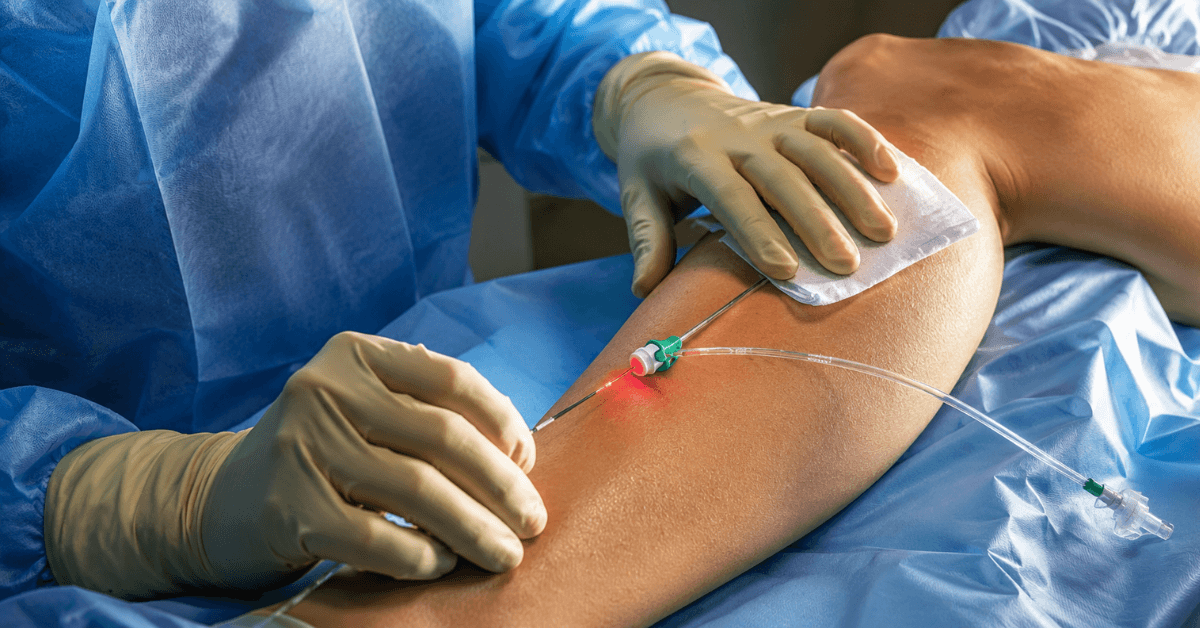
Vascular reconstruction surgery restores blood flow when veins or arteries have been damaged by injury, disease, or aging. For people in Mumbai dealing with life‑impacting symptoms like leg pain, non‑healing wounds, or blocked vessels, this surgery can bring real improvements. This blog explains what the procedure involves, how to prepare, what costs you might expect in Mumbai, and how recovery usually goes. You will also learn how to choose the right surgeon and get clear answers to common patient questions.
What Is Vascular Reconstruction Surgery?
Vascular reconstruction surgery repairs or rebuilds major blood vessels when they are narrowed, blocked, or damaged. This can involve bypass grafts, vessel repair, stenting, or even removing scarred segments. The goal is to restore healthy circulation so tissues receive oxygen and nutrients again. It is offered for conditions like peripheral artery disease (PAD), aneurysms, trauma‑related vascular injury, and chronic leg ulcers.
In Mumbai, many privately‑run and multi‑speciality hospitals provide these services with advanced imaging, skilled surgical teams, and post‑surgery care options under the expertise of Dr. Vinay Jacob.
Who Is a Good Candidate?
Vascular reconstruction may be recommended if you have:
- Blocked arteries in legs or arms, often causing pain while walking.
- Poor blood flow to tissues that do not heal properly.
- Aneurysms (bulging of artery walls) that risk rupturing.
- Trauma to vascular structures from accidents or injuries.
Dr. Vinay Jacob will assess your symptoms, conduct a physical exam, and order imaging scans like Doppler ultrasound or CT angiography before recommending the appropriate vascular reconstruction surgery.
Typical Costs for Vascular Surgery in Mumbai
One of the first concerns many patients and families have is costs. Based on recent data:
- Vascular surgery costs in Mumbai typically range between ₹70,000 and ₹1,18,000, depending on complexity, procedure type, and hospital category.
- More complex reconstruction or multi‑stage procedures may go higher.
- Insurance coverage is possible, but you should confirm cashless or reimbursement options directly with your insurer and hospital billing team before surgery.
- Costs vary based on procedure type, room category, surgeon expertise, and hospital facilities. Private hospitals often charge more than public ones.
How to Prepare for Vascular Reconstruction in Mumbai

Before surgery:
Medical Tests and Assessment
You will undergo blood work, imaging, and sometimes heart or lung function tests. This ensures you are fit for surgery.
Medication Review
Inform your doctor about all medicines and supplements you take. Blood thinners may need adjustment before the procedure.
Lifestyle Adjustments
Smoking increases surgical risk, so quitting weeks before surgery helps. Good nutrition also supports healing.
Plan for Hospital Stay and Support
Mumbai traffic and transit can affect hospital access on the day of surgery. Arrange transport and a support person to help you settle in.
What Happens During the Surgery
Vascular reconstruction may involve:
- Open Surgery: Surgeons repair or reroute vessels through an incision, especially for complex blockages or trauma.
- Endovascular Procedures: These use small catheter entry points to place balloons, stents, or grafts with less tissue disruption.
- Bypass Grafting: A graft (often a vein from elsewhere in the body) is used to redirect blood around a blockage.
Dr. Vinay Jacob and his surgical team will explain which option is best for you based on your specific condition.
Recovery and Aftercare in Mumbai
Recovery depends on the type of surgery you have:
- Hospital Stay: 3 to 7 days is typical for major procedures.
- Pain and Wound Care: Mild to moderate pain is common and managed with medicines.
- Follow‑Up Visits: Regular check‑ups ensure wound healing and steady circulation.
- Physiotherapy: Light activity and guided exercises help improve mobility.
Most patients can resume daily activities gradually over 4–6 weeks. Follow exactly what your surgeon and care team advise about activity, wound care, and medications.
Risks to Be Aware Of
All surgeries carry some risks. For vascular reconstruction, possible issues include:
- Infection at the wound site.
- Blood clots or delayed graft healing.
- Bleeding or swelling near the repair area.
- Temporary numbness if nearby nerves are affected.
Experienced surgeons in Mumbai follow protocols to minimize these risks and monitor you closely after surgery.
FAQs
1. What kind of recovery time should I expect after vascular reconstruction surgery?
Recovery varies by procedure, but many patients notice improvement within weeks, with full recovery often taking 4–6 weeks. Follow‑up appointments are essential and help monitor healing and circulation.
2. Does insurance cover vascular reconstruction surgery in Mumbai?
Many health insurance policies cover vascular surgeries. Always confirm coverage and cashless facility options with your insurer and the hospital billing team well before surgery.
3. Is vascular reconstruction painful?
During surgery, you won’t feel pain because of anesthesia. Post‑surgery discomfort is common but manageable with prescribed pain medicines.
4. How soon can I return to work after surgery?
Light work may be possible in a few weeks, but avoid strenuous activities until your surgeon clears you. Your care team will guide your return‑to‑work plan.
5. How do I choose the right hospital in Mumbai for vascular reconstruction?
Look for centers with dedicated vascular or multi-specialty surgery units, experienced surgeons, and good postoperative support. Ask for patient testimonials, success rates, and care coordination details.
Vascular reconstruction surgery can change how you live by restoring blood flow and reducing symptoms that limit your mobility. In Mumbai, skilled surgeons and advanced care options make this accessible, but being informed helps you prepare, manage costs, and recover confidently. If you think you might need this surgery, take the first step by consulting an experienced vascular surgeon to explore treatment options tailored to your needs.