
Gynecomastia Treatment in 2026
Gynecomastia Treatment in 2026: Latest Surgical and Non-Surgical Options
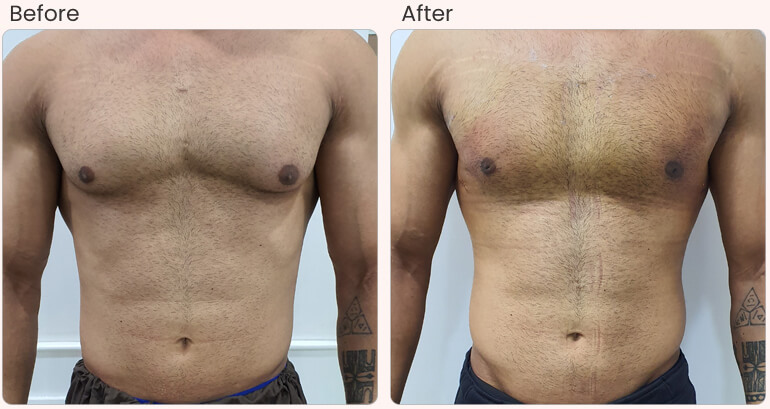
Gynecomastia is a condition that causes enlargement of breast tissue in men. It can affect teenagers, young adults, and older men. The condition often leads to embarrassment, low confidence, and discomfort during daily activities. Many men hesitate to talk about it or delay treatment. The good news is that treatment options in 2026 have become more precise and effective. This article explains what gynecomastia is, why it happens, and what treatment options are available today. You will learn about both surgical and non-surgical approaches so you can understand what may work best for your situation.
Understanding Gynecomastia
Gynecomastia develops when glandular breast tissue increases in males. It is different from chest fat caused by weight gain.
Several factors can trigger this condition.
-
Hormonal imbalance
Male bodies produce testosterone and small amounts of estrogen. When estrogen levels rise or testosterone drops, breast tissue can grow. -
Puberty changes
Teenage boys may notice temporary breast swelling due to hormonal changes. Many cases settle on their own. -
Medications
Some drugs used for blood pressure, mental health, or prostate conditions can affect hormone levels. -
Health conditions
Liver disease, kidney problems, and thyroid disorders can also contribute. -
Lifestyle factors
Alcohol use, anabolic steroids, and certain recreational substances may increase risk.
You might notice swelling, tenderness, or a firm lump behind the nipple. If you experience these symptoms, it is wise to consult a qualified surgeon for evaluation.
Male bodies produce testosterone and small amounts of estrogen. When estrogen levels rise or testosterone drops, breast tissue can grow. Teenage boys may notice temporary breast swelling due to hormonal changes. Many cases settle on their own. Some drugs used for blood pressure, mental health, or prostate conditions can affect hormone levels. Liver disease, kidney problems, and thyroid disorders can also contribute. Alcohol use, anabolic steroids, and certain recreational substances may increase risk.
You might notice swelling, tenderness, or a firm lump behind the nipple. If you experience these symptoms, it is wise to consult a qualified surgeon for evaluation.
Why Many Men Seek Treatment
Some cases of gynecomastia improve naturally. Others remain for years. Persistent enlargement often affects daily life.
-
Emotional impact
Many men feel uncomfortable removing their shirt at the gym or beach. -
Clothing challenges
Tight shirts may highlight chest shape. -
Physical discomfort
Tenderness or sensitivity may occur in some cases. -
Social anxiety
People may avoid sports, swimming, or social activities.
Treatment helps restore a flatter chest shape and improves confidence.
Many men feel uncomfortable removing their shirt at the gym or beach. Tight shirts may highlight chest shape. Tenderness or sensitivity may occur in some cases. People may avoid sports, swimming, or social activities. Treatment helps restore a flatter chest shape and improves confidence.
Non-Surgical Gynecomastia Treatment Options in 2026
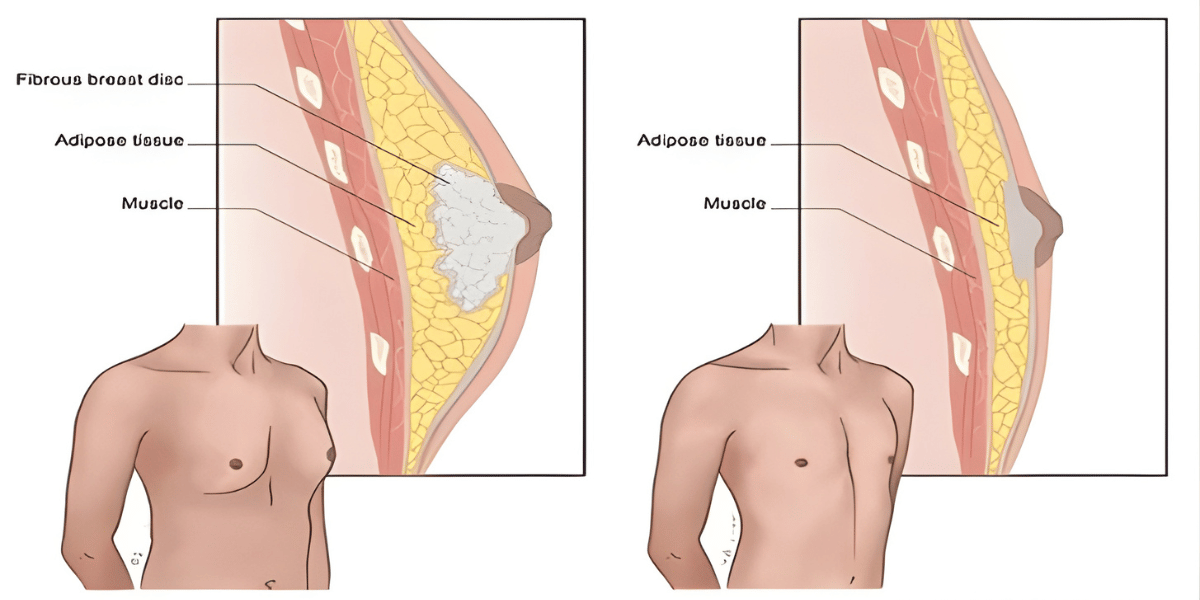
Not every patient needs surgery. Doctors first examine the cause and severity of the condition. If the enlargement is mild or caused by hormones, non-surgical treatment may help.
Hormone correctionDoctors may prescribe medication when hormone imbalance causes breast tissue growth. These medicines reduce estrogen activity or increase testosterone levels. Blood tests guide the treatment plan.
Lifestyle changesWeight gain can increase chest fat. A structured fitness routine may reduce fat around the chest area.
- Strength training
- Cardio exercise
- Balanced diet
- Reduced alcohol intake
Some clinics offer treatments that target fat cells.
- Fat freezing procedures
- Radiofrequency-based fat reduction
- Injectable fat dissolving treatments
These options work best for pseudogynecomastia, which means chest fat without gland enlargement.
Medical monitoringTeenagers with gynecomastia often require observation rather than treatment. Doctors monitor changes over time before recommending surgery.
Surgical Gynecomastia Treatment Options in 2026
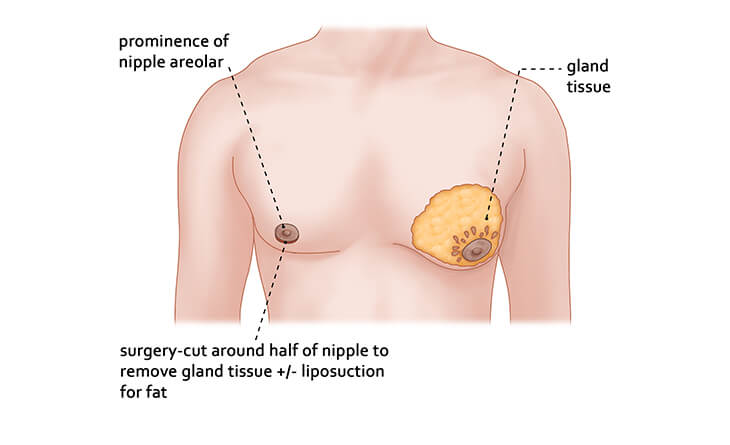
Surgery remains the most reliable solution for moderate or severe gynecomastia. Modern surgical techniques aim to remove glandular tissue while maintaining natural chest contours.
Liposuction-assisted reductionLiposuction removes excess fat from the chest area. Small incisions allow a thin tube to suction fat deposits. This method works well when fat is the main issue.
Glandular tissue removalSome patients have dense breast tissue that liposuction alone cannot remove. In these cases, surgeons perform excision surgery to remove gland tissue directly. The incision usually lies around the areola.
Combination techniqueMany patients need both liposuction and gland removal. This approach provides better contour and symmetry.
Skin tighteningPatients who lost significant weight may have loose skin. Skin tightening techniques reshape the chest and improve appearance.
Recovery process- Wearing a compression garment
- Limiting heavy lifting for several weeks
- Gradual return to exercise
Most patients return home the same day. Results become visible as swelling reduces.
Advances in Gynecomastia Surgery in 2026
Medical technology continues to improve surgical outcomes. Recent developments focus on precision and faster recovery.
-
High-definition liposuction
This method allows surgeons to sculpt the chest area with greater detail. It helps create a natural masculine chest contour. -
Smaller incisions
Modern tools reduce incision size and minimize visible scars. -
Better anesthesia techniques
Improved anesthesia methods reduce discomfort and allow quicker recovery. -
Enhanced imaging
Pre-surgical imaging helps surgeons plan the procedure accurately.
Patients benefit from predictable results and shorter downtime.
Who Is a Good Candidate for Gynecomastia Treatment?
Not every man requires surgery. A proper evaluation helps determine the right approach. You may be a suitable candidate if:
- Breast enlargement persists for more than one year
- Exercise and diet do not reduce chest fullness
- You feel self-conscious about chest appearance
- Your weight remains stable
- You are in good general health
A consultation with a qualified plastic surgeon helps identify the best treatment option for your body.
Meet Dr. Vinay Jacob
Dr. Vinay Jacob is a Senior Plastic and Reconstructive Surgeon in India with more than 25 years of experience. Dr. Jacob focuses on advanced reconstructive and aesthetic procedures.
His areas of practice include:
- Gender-affirming surgeries
- Hand and facial rejuvenation
- Nasal and respiratory procedures
- Limb salvage Surgery and prosthetics integration
- Body contouring and fat reduction
- Intimate and pelvic procedures
- Abdominal hernia repair
- Neurological and pain relief surgeries
- Breast reconstructive surgery
To book an appointment, call the clinic or visit directly for consultation.
Frequently Asked Questions (FAQs)
1. Is gynecomastia surgery permanent?
Yes. Surgery removes glandular tissue, which does not grow back. Maintaining a healthy lifestyle helps preserve results.
2. How long does gynecomastia surgery take?
Most procedures take one to two hours depending on the severity and technique used.
3. Will there be visible scars after surgery?
Surgeons place incisions around the areola or in hidden areas. Scars usually fade over time.
4. When can I return to normal activities?
Light activities begin within a few days. Strenuous exercise usually resumes after four to six weeks.
5. Can gynecomastia return after treatment?
Recurrence is uncommon if gland tissue is removed and hormone levels remain stable.
Conclusion
Gynecomastia affects many men and can influence confidence and daily comfort. Treatment options in 2026 provide effective solutions for both mild and severe cases. Non-surgical approaches help when hormone imbalance or excess fat causes the condition. Surgical procedures remain the most reliable option when glandular tissue is present. A proper evaluation helps determine the right treatment plan for you. Consulting an experienced plastic surgeon ensures safe care and results that match your goals.