
Gynecomastia Treatment in Mumbai
Gynecomastia Treatment in Mumbai: Your Complete Guide
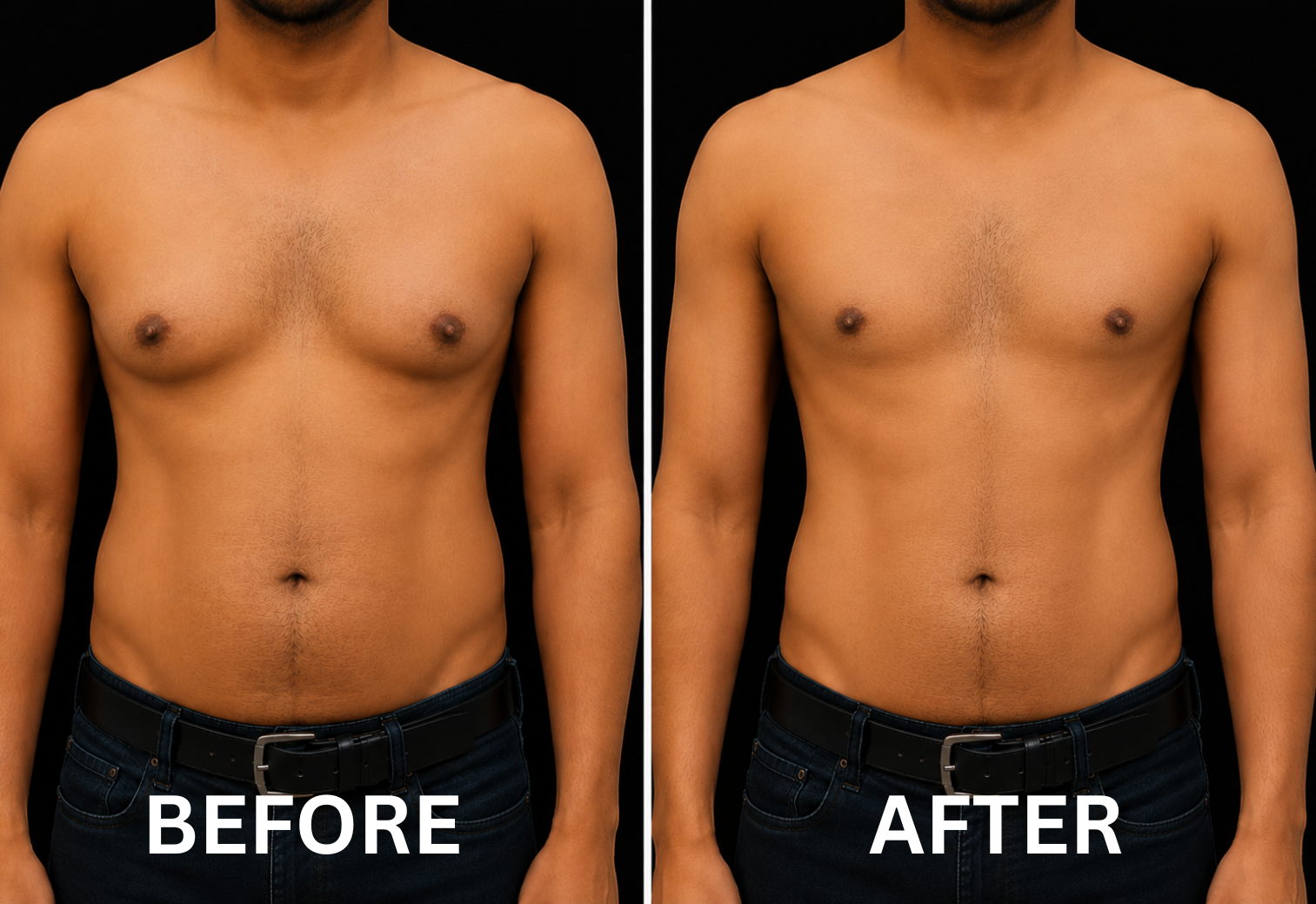
Gynecomastia, commonly referred to as "man boobs," is a condition where men experience enlarged breast tissue. This issue, which can affect both teenagers and adult men, can be physically uncomfortable and emotionally distressing. The good news is that gynecomastia is treatable with modern surgical and non-surgical options. If you're feeling self-conscious about your chest, you're not alone, and there are effective treatments to help you regain confidence.
In this guide, we'll discuss everything you need to know about gynecomastia treatment in Mumbai, from understanding the condition to exploring available treatment options and recovery tips. By the end of this post, you'll have a clear understanding of the condition and how treatment can help you lead a happier, more confident life.
What is Gynecomastia?
Gynecomastia is the enlargement of breast tissue in men. It typically occurs when there is an imbalance between the hormones estrogen and testosterone. This can result in the development of excess glandular tissue, leading to a swollen or puffy appearance in the chest area.
Causes of Gynecomastia
Several factors contribute to gynecomastia, including:
- Hormonal Imbalance: A higher ratio of estrogen to testosterone can lead to breast tissue growth.
- Puberty: Many teenage boys experience temporary gynecomastia due to hormonal fluctuations.
- Aging: As men get older, testosterone levels drop, and fat cells in the chest area can increase, contributing to gynecomastia.
- Medications: Drugs like anti-androgens, steroids, and certain antidepressants can trigger gynecomastia.
- Obesity: Excess fat tissue in the chest can mimic the appearance of gynecomastia. Bariatric surgery and healthy lifestyle changes can help manage weight-related concerns.
- Health Conditions: Liver disease, kidney failure, and other conditions can affect hormone balance, leading to gynecomastia.
- Genetic Factors: Family history may also play a role in the development of gynecomastia.
Symptoms of Gynecomastia
If you have gynecomastia, you may notice:
- Swelling or enlargement of breast tissue.
- Tenderness or pain in the chest.
- Puffy or enlarged nipples.
- A noticeable difference in breast size between the two sides.
These symptoms can cause both physical discomfort and emotional distress. If you notice any of these signs, seeking a consultation with a medical professional is essential to discuss your treatment options.
Meet Dr. Vinay Jacob
Dr. Vinay Jacob is a highly qualified and experienced Senior Plastic and Reconstructive Surgeon in India with over 25 years of practice. He earned his MBBS from St. John's Medical College, Bangalore in 1991 and completed his MS from Tata Memorial Hospital, Mumbai in 1996. He further pursued his MCh and DNB in Plastic Surgery in 2001, graduating with distinction.
Dr. Jacob specializes in a variety of procedures, including:
- Gender-Affirming Surgeries
- Body Contouring & Fat Reduction
- Hand & Facial Rejuvenation
- Intimate & Pelvic Procedures
- Nasal & Respiratory Procedures
- Breast Reconstructive Surgery
Dr. Jacob’s experience in gynecomastia treatment ensures that patients receive not only high-quality surgical care but also a compassionate and holistic approach to treatment. His goal is to help patients achieve natural results and restore their confidence.
Consult him at:
Reconstructive Surgery Centre
503, Sagar Fortune Building,
Above A Kreations, Waterfield Road,
Bandra (West), Mumbai - 400050
To book an appointment, call or visit the clinic directly.
Treatment Options for Gynecomastia
There are several ways to treat gynecomastia, depending on the severity of the condition and the underlying causes. Below, we’ll explore both non-surgical and surgical treatment options.
1. Non-Surgical Treatments
For some individuals, non-surgical treatments may help manage or reduce the symptoms of gynecomastia:
- Medications: Drugs such as selective estrogen receptor modulators (SERMs) can help reduce breast tissue size in some cases.
- Weight Loss: If obesity is a contributing factor, weight loss through diet and exercise can help reduce fat in the chest area. For more information, read our guide on effective exercise routines for gynecomastia.
- Hormonal Therapy: In cases where hormonal imbalance is the cause, hormone therapy can restore a more balanced hormonal profile.
Non-surgical methods may not be effective for all individuals, especially when gynecomastia is more pronounced.
2. Surgical Treatment: Liposuction
Liposuction is often the first choice for patients who have excess fat in the chest area but not much glandular tissue. This minimally invasive procedure involves the removal of fat through small incisions, leaving a more sculpted chest contour. Liposuction is effective in treating mild to moderate gynecomastia, with minimal downtime.
3. Surgical Treatment: Mastectomy
For more severe cases of gynecomastia, a mastectomy may be necessary. During this procedure, the excess glandular tissue is removed through an incision around the areola. While this is a more invasive procedure than liposuction, it’s highly effective for individuals with significant glandular tissue and can provide long-lasting results.
4. Combination Approach
In many cases, a combination of liposuction and mastectomy is needed to achieve the best results. This combination approach allows the surgeon to remove both fat and glandular tissue for a smoother, more natural chest appearance.
What to Expect During Gynecomastia Surgery
Gynecomastia surgery is typically performed under general anesthesia. The procedure begins with small incisions made around the chest area, through which excess fat and glandular tissue are carefully removed. The recovery process is relatively quick, and most patients can return to work within a week. Full recovery may take 4-6 weeks, during which time you will need to wear a compression garment to reduce swelling and support the healing process.
Post-Surgery Care and Recovery
Following surgery, it’s important to follow your surgeon's instructions for optimal recovery:
- Compression Garment: Wear the garment for several weeks to minimize swelling and help the chest maintain its new shape.
- Rest and Care: Avoid strenuous activities for 4 to 6 weeks. Gentle movement is encouraged to prevent stiffness.
- Follow-Up Appointments: Regular follow-ups with Dr. Jacob will ensure proper healing and monitor progress.
- Avoid Smoking and Alcohol: These can interfere with healing, so it’s best to avoid them during the recovery period.
Cost of Gynecomastia Surgery in Mumbai
The cost of gynecomastia surgery in Mumbai varies depending on several factors, such as the type of procedure and the surgeon’s experience. On average, gynecomastia surgery may cost between ₹50,000 and ₹2,50,000. It’s important to consult with Dr. Jacob to get an accurate estimate based on your specific condition and treatment plan.
FAQs About Gynecomastia Treatment
1. Is gynecomastia treatment covered by insurance?
Typically, gynecomastia surgery is considered a cosmetic procedure and is not covered by insurance. However, if gynecomastia is caused by an underlying medical condition, some insurance plans may provide coverage.
2. How long does it take to recover from gynecomastia surgery?
Recovery time varies, but most patients can return to work and light activities within 1-2 weeks. Full recovery can take around 4-6 weeks.
3. Will the results of gynecomastia surgery be permanent?
Yes, the results of gynecomastia surgery are usually permanent. However, significant weight gain or hormonal imbalances could affect the appearance of the chest over time.
4. Are there any risks associated with gynecomastia surgery?
As with any surgery, there are risks such as infection, scarring, and anesthesia complications. However, these risks are minimized when performed by an experienced surgeon like Dr. Jacob.
5. Can gynecomastia return after surgery?
In rare cases, gynecomastia may return due to hormonal changes, weight gain, or certain medications. Maintaining a healthy lifestyle can help prevent recurrence.
Final Thoughts
Gynecomastia treatment in Mumbai provides a variety of options to help men feel more confident and comfortable in their bodies. Whether through non-surgical methods or surgical intervention, you don’t have to live with the emotional and physical discomfort caused by gynecomastia. Dr. Vinay Jacob's expert care and experience in treating this condition can help you achieve the results you desire.
If you’re ready to take the next step toward a more confident you, schedule a consultation with Dr. Vinay Jacob today.